SEO by HighSoftware99.com Explained: Claims, Evidence, and Practical [2026 Guide]
![SEO by HighSoftware99.com Explained: Claims, Evidence, and Practical [2026 Guide]](https://www.techdemis.com/wp-content/uploads/2026/05/SEO-by-HighSoftware99.com-Explained-1.webp)
SEO by HighSoftware99.com refers to a branded set of optimisation practices. These practices combine structured content methods with technical improvements. The goal centres on faster indexing and stronger search visibility signals.
In this guide, we review the claims, present current evidence, and deliver step-by-step implementation instructions.
What is SEO by HighSoftware99.com, and Its Core Claims?
SEO by HighSoftware99.com functions as a branded framework. It emphasises structured content, semantic clarity, and technical health. The approach helps search engines understand and index pages more efficiently.
HighSoftware99.com promotes services that target Google Autocomplete visibility. Marketing materials claim keyword boosts in search suggestions within three to twelve hours. Explanatory sites tied to the term describe a broader methodology instead.
The core definition focuses on three pillars. Structured content architecture uses clear headings and logical sections. Semantic SEO incorporates related concepts and user intent. Technical foundations cover speed, mobile usability, and crawlability.
These elements differ from older tactics. Older methods relied on heavy keyword repetition and link quantity alone. The branded approach prioritises readability and machine understanding together.
Many descriptions position the framework as accessible. It suits businesses that want quicker feedback loops without massive resources. Results still depend on consistent execution and existing site authority.
SEO by HighSoftware99.com vs Traditional SEO
Traditional SEO
- • Heavy keyword repetition
- • Long unstructured paragraphs
- • Focus on link quantity
- • Basic indexing approach
- • Slower crawl & understanding
SEO by HighSoftware99.com
- • Natural keyword usage + semantic coverage
- • Clear heading structure & short paragraphs
- • Topic authority via internal linking
- • Faster structured indexing
- • Technical health + AI-friendly formatting
Source: Analysis of seobyhighsoftware99.com methodology and 2026 SEO benchmarks
Also read: What Pedrovazpaulo Business Consultant Can Teach Every Entrepreneur
Examining the Evidence — Indexing Speed, Autocomplete, and Realistic Timelines
Evidence shows structured and technical optimisations can speed up indexing. They do not create instant top rankings or guaranteed autocomplete dominance. Real-world data supports measured expectations over rapid promises.
New pages on established sites often appear in Google’s index within 24 to 72 hours. This timeline holds when sites maintain a clean structure, fast loading, and proper sitemaps.
New domains typically require two to four weeks for initial indexing. Full site coverage can extend to two or three months. Authority, crawl budget, and technical signals determine the exact pace.
Organic search holds about 53 per cent of trackable web traffic. This channel remains dominant even as AI features grow. Yet zero-click searches now exceed 64 per cent in recent measurements. Visibility alone does not guarantee clicks or conversions.
Google Autocomplete suggestions arise from aggregate user behaviour. Factors include query volume, trends, location, and personalisation. Isolated tactics rarely shift suggestions reliably within hours for most sites. Sustained relevance and genuine interest drive lasting changes.
Realistic ranking timelines fall between three and six months on established sites. This window applies to meaningful improvements. New sites often need six to twelve months or longer for competitive terms. Only a small percentage of fresh pages reach the top ten quickly.
Available indexing timelines reveal that consistent three-to-twelve-hour autocomplete shifts exceed normal signal propagation speeds for the majority of websites. Claims at this speed warrant direct verification through controlled testing rather than acceptance at face value.
Implementing Structured Content Architecture for Better Visibility
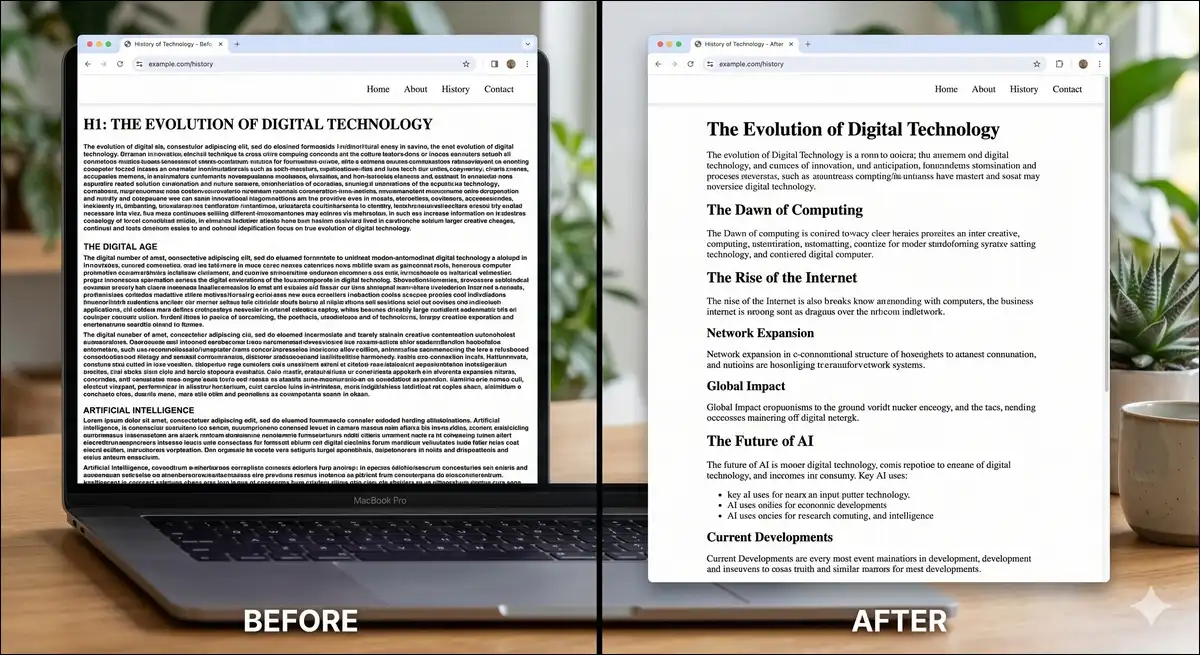
Structured content architecture improves both user experience and machine parsing. You start by organising every page around a clear intent. Short paragraphs and descriptive headings guide readers and crawlers alike.
Begin with a single primary question per page. Place the answer in the first paragraph. Follow with supporting sections that expand on sub-questions. This pattern matches how people scan and how search systems extract information.
Use H2 headings for major sections. Apply H3 headings for supporting details. Keep each heading specific and benefit-oriented. Avoid vague phrases that add no clarity.
Write short paragraphs. Limit most to two or three sentences. Each paragraph should advance one idea only. This discipline reduces bounce rates and helps AI summaries pull accurate excerpts.
Incorporate related terms naturally throughout the content. Cover entities and concepts connected to your main topic. Semantic coverage signals depth without forced repetition.
Add examples and comparisons where they clarify points. Concrete illustrations help readers apply advice immediately. They also strengthen topical authority signals.
Review existing pages for structure gaps. Rewrite headings that bury the main point. Break long blocks into scannable sections. Add internal links to related content on your site.
Create a simple checklist for every new piece of content. Confirm one primary intent. Verify heading hierarchy. Ensure short paragraphs. Include relevant internal links. Test mobile readability.
This process compounds over time. Well-structured pages earn better featured snippet chances. They also support AI overviews and voice search responses more effectively.
Technical Foundations That Support Faster Crawlability and Indexing
Technical foundations remove barriers that slow search engine access. You address speed, mobile experience, and crawl directives first. These fixes often produce the quickest measurable improvements in indexing speed.
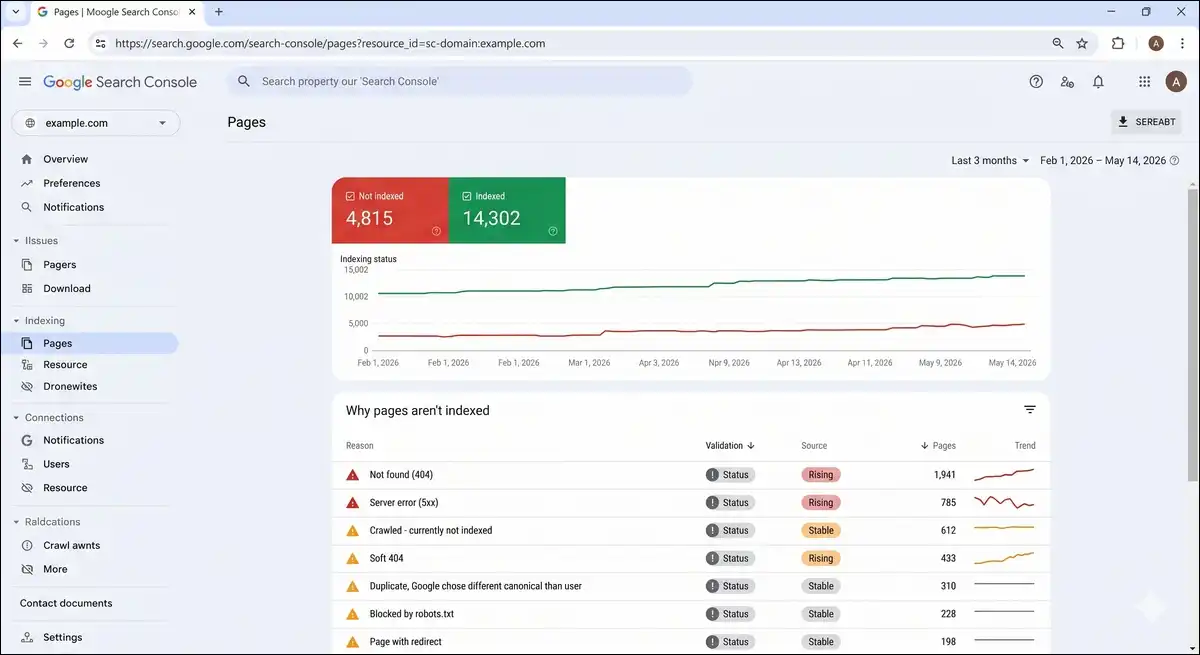
Start with a full site audit. Identify broken links, duplicate content, and crawl errors. Tools such as Google Search Console reveal these issues directly. Fix the highest-impact items before adding new content.
Improve page speed aggressively. Compress images. Enable efficient caching. Minimise render-blocking resources. Faster pages receive more frequent crawls and better user signals.
Ensure full mobile responsiveness. Google uses mobile-first indexing. Pages that render cleanly on small screens gain preference in crawling and ranking.
Submit and maintain an XML sitemap. Include all important pages. Update it whenever you publish or modify content. This step helps search engines discover changes quickly.
Strengthen internal linking. Connect related pages with descriptive anchor text. Logical internal links distribute authority and guide crawlers through topic clusters.
Monitor crawl budget on larger sites. Reduce low-value pages that waste crawl resources. Focus Google’s attention on your highest-priority content through clean architecture and robots.txt rules.
These technical steps work together with the content structure. A fast, crawlable site amplifies the benefits of clear headings and semantic coverage. Neither element delivers full results in isolation.
Also read: Grokipedia: How Musk’s AI Encyclopedia Surged, Then Collapsed in Search
Risks, Compliance Considerations, and Sustainability
That said, rapid visibility tactics carry risks when they conflict with search engine guidelines. You must evaluate any promise of guaranteed or extremely fast results against documented indexing behavior. Over-reliance on unverified methods can waste resources or trigger issues.
Google penalizes manipulative practices that attempt to deceive ranking systems. Autocomplete suggestions reflect real user patterns. Artificial inflation through non-genuine signals often proves temporary and detectable.
Sustainability matters more than short-term spikes. Pages that rank through genuine value and strong signals tend to hold positions longer. Dependency on external services for constant re-optimisation creates ongoing costs without building owned assets.
Test any new tactic in controlled conditions first. Measure indexing changes and visibility shifts over weeks, not hours. Document results before scaling efforts.
Maintain transparency in your process. Focus on user value and technical excellence. These elements align with long-term algorithm direction toward helpful, reliable content.
The gap between promotional speed claims and verified indexing data suggests many sites achieve faster discovery through fundamentals rather than specialised shortcuts. Sustainable visibility stems from consistent quality signals, not isolated interventions.
Measurement, Tools, and Tracking Success
You measure success through concrete metrics rather than assumptions. Track indexing status, impression growth, and engagement signals over time. These data points reveal whether structural and technical changes produce results.
Use Google Search Console as the primary free tool. Monitor the Indexing report for new page status. Review the Performance report for query impressions and click-through rates. Set up regular checks every one to two weeks.
Add analytics platforms to measure user behaviour. Note time on page, bounce rate, and conversion actions. Improvements in these areas often follow better content structure and technical health.
Track autocomplete visibility manually or with monitoring tools. Search your target phrases in incognito mode across locations. Record changes weekly. Genuine shifts usually develop gradually.
Establish baseline numbers before major changes. Compare post-implementation data against these baselines. Attribute movement to specific actions where possible.
Review progress monthly. Adjust priorities based on what moves the needle. Some technical fixes deliver quick indexing wins. Content structure improvements often show in engagement and featured content performance.
Alternatives and Strategic Decision-Making
On the flip side, several established paths achieve similar or stronger outcomes without branded shortcuts. You can implement structured content and technical SEO directly using publicly available frameworks and tools.
Standard technical SEO audits cover the same foundations. Professional services from established agencies provide audits, implementation support, and ongoing strategy. Compare scope, reporting, and pricing against any single-focus offering.
Content optimization platforms and SEO suites offer structured workflows. These tools help enforce heading discipline, semantic coverage, and internal linking at scale. Many include measurement dashboards.
For small teams, begin with free resources. Google Search Central documentation outlines core principles clearly. Combine this guidance with hands-on testing on your own site.
Decide based on your resources and goals. Quick tactical support suits specific visibility pushes. Long-term partnerships or in-house processes better serve sustained growth and authority building.
Also read: Quikconsole.com Review: What It Really Is (Not an AI Console)
Integrating SEO by HighSoftware99.com Principles into a Broader Strategy
With these pieces in place, you gain the most value by folding useful elements into a complete SEO program. Structured content and technical fixes serve as strong foundations. Pair them with authority development, content clusters, and regular updates.
Build topic clusters around your main themes. Link pillar pages to detailed supporting articles. This architecture strengthens semantic signals and keeps users engaged longer.
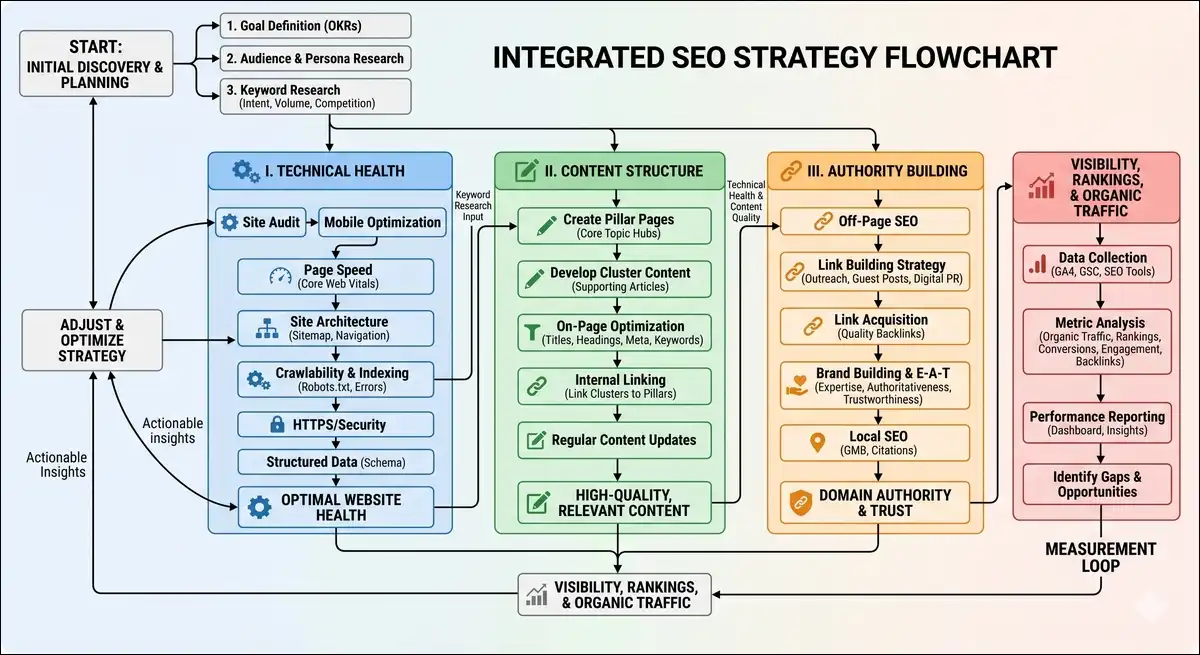
Invest in E-E-A-T signals. Demonstrate experience, expertise, authoritativeness, and trustworthiness through clear sourcing, author information, and consistent quality. These factors grow in importance with AI-influenced search.
Review and refresh older content regularly. Update statistics, expand sections, and improve structure. Refreshed pages often regain or improve indexing frequency and rankings.
Balance attention between quick-signal opportunities and compounding assets. Early indexing wins create momentum. Authority and comprehensive content deliver durable traffic over the years.
Monitor algorithm updates and search feature changes. Adapt your structure and technical approach as needed. Core principles of clarity and crawlability remain stable even as surface tactics evolve.
Final Thoughts
SEO by HighSoftware99.com highlights valuable fundamentals. Structured content, semantic focus, and technical health support faster indexing and clearer communication with search systems. These elements deserve attention from any site owner.
Claims of extremely rapid autocomplete or ranking results require careful scrutiny. Current data on indexing and ranking timelines points to weeks and months as realistic frames for most sites. Verification through measurement remains essential.
Apply the implementation steps outlined here directly. Start with audits and structure improvements. Track results consistently. Build on early wins with ongoing authority and content development.
The strongest outcomes come from treating these practices as part of a larger, evidence-based strategy. Focus on user value, technical excellence, and measurable progress. This approach produces sustainable visibility that serves both readers and search engines over time.