From App Download to First Trade: How India’s Newest Demat Accounts Are Getting Started in 2026
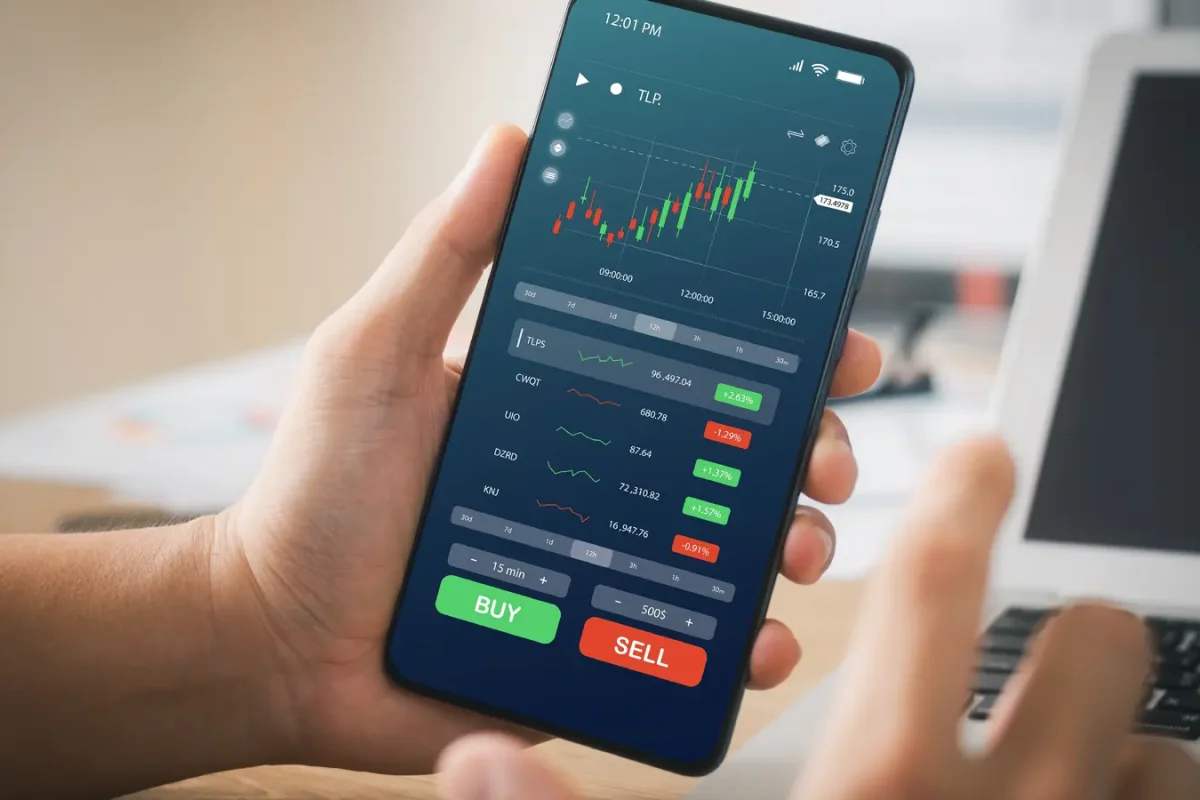
India’s investment landscape has changed significantly as digital platforms make market participation more accessible. The National Stock Exchange (NSE) crossed 26 crore client accounts in June 2026, while its unique registered investor base had crossed 13 crore by April. The growth reflects wider adoption of digital investing, simplified onboarding and mobile-based trading. For new investors, the journey can now begin with a smartphone and a few digital verification steps.
Starting With An App Download
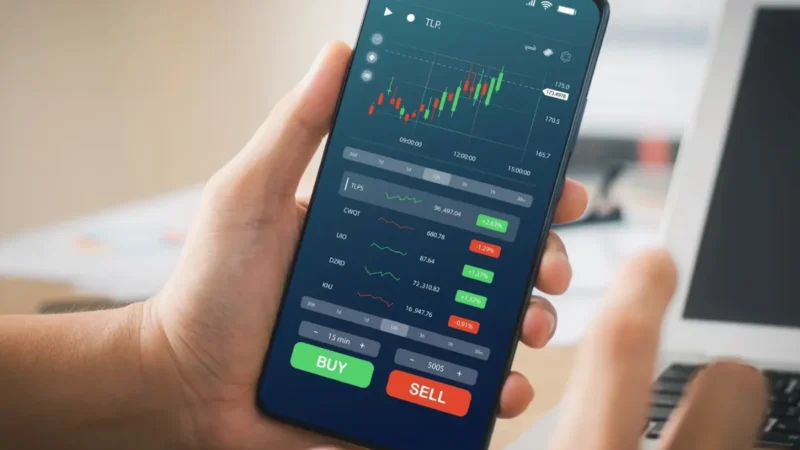
For many first-time investors, the process begins with a Demat app download from an authorised application store. A suitable platform can provide access to account opening, KYC verification, market information and trading facilities through a single interface.
Investors should check whether the platform is associated with a SEBI-registered intermediary before sharing personal or financial information. The NSE also advises investors to select a SEBI-registered broker when starting their investment journey.
Completing The KYC Process
Know Your Customer, or KYC, is a mandatory part of the account-opening process. Investors generally need to provide details such as their PAN, address, mobile number and other information required by the intermediary.
Digital onboarding can allow applicants to submit documents and complete eligible verification steps online. The exact process can differ between platforms, depending on the services offered and applicable regulatory requirements.
Understanding The Demat And Trading Accounts
A new investor may encounter two different accounts during the onboarding process. A Demat account holds securities in electronic form, while a trading account is used to place eligible buy and sell orders in the market.
The NSE describes the trading account as a link between the investor’s bank and Demat accounts. Investors can maintain multiple Demat and trading accounts, although they are not required to hold both with the same broker or bank.
Understanding this distinction is important because opening an account does not mean an investor is automatically ready to make every type of investment. Access depends on the products and services enabled by the intermediary.
Linking Bank Details And Completing Verification
Once the basic information has been submitted, investors may need to provide bank account details and complete additional verification. These details help facilitate the movement of funds associated with eligible transactions.
Digital verification can reduce the need for physical paperwork. However, the time required to activate an account can vary depending on document accuracy, verification checks and the intermediary’s internal processes.
Investors should use only official applications and websites when submitting sensitive information. PAN, Aadhaar details, passwords and one-time passwords should not be shared with unauthorised individuals.
Exploring The Platform Before Trading
After account activation, first-time investors may see several features within the trading platform. These can include watchlists, market prices, portfolio information, order screens and transaction records.
New investors should spend time understanding these features before placing an order. A basic understanding of market orders, limit orders, quantities and transaction charges can help avoid simple mistakes.
The availability of specific features depends on the intermediary. Investors should also review brokerage, account-related fees and other applicable charges before starting transactions.
Choosing The First Investment
Opening a trading account does not require an investor to immediately purchase a stock. The first step can instead be understanding different investment products and determining which ones align with the individual’s financial objectives and risk tolerance.
Equities can provide ownership in listed companies but are subject to price fluctuations. Mutual funds offer professionally managed portfolios but also carry market-related risks. IPOs provide an opportunity to apply for newly issued shares, although listing prices and subsequent performance are not guaranteed.
From Research To The First Order
Once an investor has selected a security, the next stage is placing an order through the trading platform. The investor typically selects the security, specifies the quantity and chooses the applicable order type before reviewing the transaction.
Online trading allows investors to place their own orders through a broker’s internet-based platform. NSE notes that investors should understand system-related risks and maintain the confidentiality of their user IDs and passwords.
What To Check Before Choosing A Platform
Investors considering a Demat trading account should compare platforms based on their actual requirements. Important factors can include the account-opening process, supported products, brokerage and other charges, customer support and security features.
The platform should also provide access to the investment products the investor intends to use. Someone interested mainly in long-term equity investing may have different requirements from an active trader or an investor focused on mutual funds and IPOs.
Conclusion
India’s growing investor base shows how digital access is becoming an important part of market participation. From downloading an application and completing KYC to researching investments and placing a first order, much of the process can now be managed online. Platforms such as 5paisa provide investment-related services that investors can explore according to their requirements. However, opening an account is only the beginning. New investors should understand the products they choose, review applicable costs, protect their account credentials and assess market risks before making investment decisions.