Forex Card Charges in 2026: What Indian Travellers Should Know
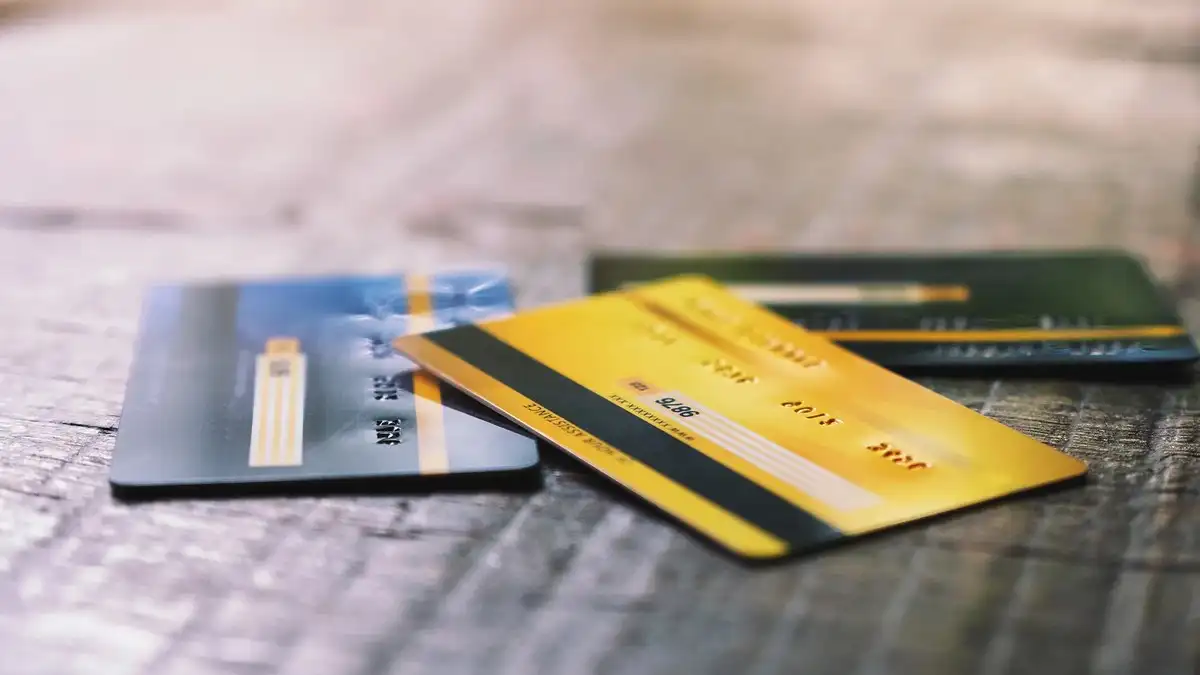
Forex cards have become one of the most popular ways for Indian travellers to manage money abroad. They are widely used for international holidays, study abroad programmes, business travel, and long-term overseas stays because they offer convenience, security, and global acceptance.
However, many travellers still do not fully understand the different forex card charges involved. While forex cards may appear cheaper than carrying cash or using regular debit cards internationally, hidden forex card fees can quietly increase your travel expenses if you are not careful.
In 2026, international travellers are becoming more aware of forex-related costs such as markup charges, ATM withdrawal fees, reload charges, and currency conversion costs. Understanding these charges before your trip can help you choose the right international payment solution and avoid unnecessary spending abroad.
What is a forex card?
A forex card is a prepaid travel card that allows users to load foreign currency before travelling internationally.
These cards are commonly used because they:
- Reduce the need to carry large amounts of cash
- Work internationally at stores, restaurants, and hotels
- Support ATM withdrawals abroad
- Offer safer access to travel funds
- Help travellers manage spending more easily
Traditional prepaid forex cards usually lock exchange rates at the time of loading the card. However, many modern international cards now support direct overseas spending with live exchange rates and zero forex markup.
Why travellers should understand forex card charges
Many travellers compare only the exchange rate while purchasing a forex card and ignore the additional fees attached to it.
In reality, forex card fees can significantly affect your travel budget over time, especially during:
- Long international trips
- Frequent ATM withdrawals
- Multiple reloads
- Cross-currency transactions
- Overseas online payments
Understanding the fee structure helps travellers:
- Compare providers properly
- Avoid hidden costs
- Improve travel budgeting
- Choose more transparent forex solutions
Common forex card charges in 2026
Different banks and forex providers apply different fee structures. Some cards may appear affordable initially, but include multiple hidden charges later.
Here are the most common forex card charges travellers should know about.
Card issuance fee
Many forex providers charge a one-time issuance or activation fee when purchasing the card.
This fee may vary depending on:
- Card type
- Currency supported
- Bank or forex provider
- Premium travel benefits
Some modern international cards now offer zero joining or issuance fees.
Forex markup charges
Forex markup is one of the most important costs travellers should understand.
Traditional banks often add a markup fee over the base currency exchange rate during international transactions.
For example:
- The live exchange rate may be ₹85 per USD
- Your card provider may process transactions at ₹87 or ₹88 per USD
This additional percentage is known as forex markup.
Many traditional cards charge 2% to 5% forex markup on:
- International purchases
- ATM withdrawals
- Online foreign transactions
Over an entire trip, these costs can add up significantly.
ATM withdrawal charges
Most forex cards charge a fee for withdrawing cash internationally from ATMs.
These charges may include:
- Flat withdrawal fees
- Currency conversion charges
- ATM operator charges
- International banking fees
Frequent withdrawals abroad can increase your overall forex card fees considerably.
Travellers are usually advised to:
- Withdraw larger amounts less frequently
- Use cards mainly for digital payments
- Avoid repeated small ATM transactions
Currency conversion fees
Some forex cards support only specific currencies. If you make payments in a currency not loaded on the card, the transaction may involve cross-currency conversion charges.
This often happens when:
- Travelling across multiple countries
- Using a single-currency forex card
- Making payments in unsupported currencies
Cross-currency conversions may lead to additional exchange losses and hidden fees.
Reload charges
Travellers on long trips may need to reload funds onto their forex cards during travel.
Some providers charge:
- Reload processing fees
- Additional exchange markup
- Banking charges
Understanding reload policies is especially important for students and long-term travellers abroad.
Inactivity fees
Certain forex cards charge inactivity fees if the card remains unused for a long period.
Travellers who buy forex cards far in advance or forget to close unused cards may face these charges later.
Always check:
- Card validity
- Dormancy rules
- Annual maintenance charges
before selecting a forex solution.
Card replacement fees
If your forex card is lost or stolen abroad, replacement charges may apply.
These charges can include:
- Emergency card replacement fees
- International courier costs
- Temporary cash assistance fees
Travellers should always keep backup payment options while travelling internationally.
Hidden forex card fees travellers often ignore
Apart from visible charges, some additional costs may quietly affect international spending. These include:
- Dynamic Currency Conversion charges
- International POS fees
- GST on forex transactions
- Balance enquiry charges at overseas ATMs
- Foreign bank handling charges
Many travellers only realise these fees after checking their transaction statements later.
Are forex cards still worth using in 2026?
Forex cards continue to be useful for many travellers, especially for:
- Budget control
- Safer international spending
- Reduced cash handling
- Global payment acceptance
Along with traditional forex cards, travellers are increasingly shifting towards modern options that offer:
- Zero forex markup
- Real-time exchange rates
- Better digital controls
- Lower hidden fees
- App-based expense tracking
These newer solutions often provide extended flexibility and benefits.
How zero forex markup cards are changing international spending
In recent years, many travellers have started using zero forex markup international cards along with traditional prepaid forex cards.
These cards allow users to:
- Spend internationally at live exchange rates
- Avoid additional markup charges
- Make overseas online payments easily
- Withdraw cash internationally
- Track spending digitally
For frequent travellers, even up to 5% forex markup saving can make a noticeable difference in overall trip expenses.
How does Niyo help reduce forex card charges?
Traditional banks routinely add forex markup to overseas transactions, a cost most travellers absorb without realising it. Niyo is built to change that.
With international VISA debit and credit cards that carry zero forex markup on all international transactions, Niyo charges you at live VISA exchange rates every time you spend abroad. You also get real-time spending tracking, in-app card controls, ATM withdrawal support, and 100% digital onboarding, all in one app.
Need cash before you travel? Niyo’s Currency Exchange service offers transparent pricing with doorstep delivery in select cities, so you’re covered on that front too.
Tips to reduce forex card charges while travelling
Here are a few simple ways travellers can reduce forex-related costs abroad:
- Choose cards with ZERO forex markup
- Avoid frequent ATM withdrawals
- Always pay in local currency abroad
- Compare forex card fees before purchasing
- Monitor exchange rates before loading funds
- Carry backup payment options
- Use digital payment methods whenever possible
- Check hidden charges carefully
Small forex savings across multiple transactions can significantly reduce total travel expenses.
Final thoughts
Forex cards remain a convenient option for international travellers, but understanding forex card charges is essential before using one abroad. From forex markup and ATM withdrawal fees to reload and conversion charges, several hidden costs can affect your travel budget if ignored.
In 2026, travellers are increasingly choosing transparent international payment solutions that offer zero forex markup, lower hidden charges, better exchange rates, and digital expense management.
By understanding forex card fees properly and selecting the right travel payment solution, Indian travellers can manage international expenses more efficiently and travel with greater financial confidence.