Techsslaash.com – Pushing Limits: High Traffic, Creator Rewards & The Reality Check Writers Need

Techsslaash.com shows strong traffic numbers and a bold tagline. However, many writers still report problems with tools and payouts. This review breaks down the facts, the gaps, and what everyday users should know before reading or contributing.
What Are the Main Takeaways About Techsslaash.com?
Techsslaash.com runs a tech and fintech site with a creator program. It claims high traffic and rewards for writers. Independent reviews point to broken tools and unverified payouts instead.
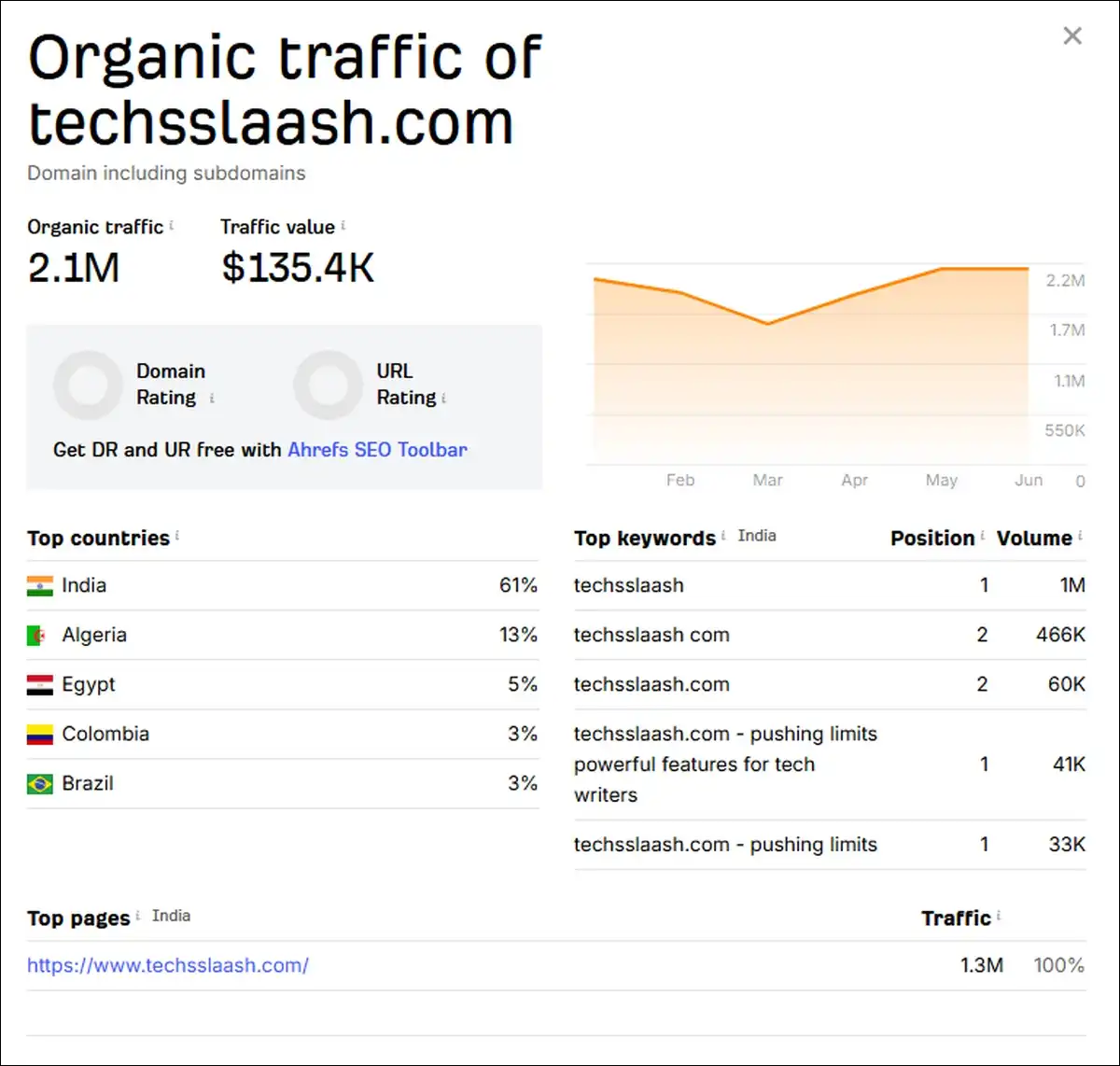
- Traffic sits between 2.1 million and 2.6 million monthly visits. Analytics reports from Ahrefs and SimilarWeb confirm this information.
- Most visits come from branded searches. People type the site name directly rather than finding articles through general questions.
- Domain rating reaches 61 to 71. Backlinks number over 2,100, yet internal authority signals stay weak.
- Creator tools often fail in practice. Submission works mainly through email, and dashboards frequently stay inaccessible.
- Payout evidence remains missing. Multiple 2026 reviews found no clear proof of regular monthly rewards reaching writers.
- Content spans far beyond fintech. Articles cover AI, gadgets, health, lifestyle, and home tips.
Still, these numbers only tell part of the story. The platform promises one thing on the homepage. Real user experiences often show something else.

So, What Is Techsslaash.com?
Techsslaash.com presents itself as a platform for tech and financial market analysis. It invites writers to share knowledge and earn rewards through engagement.
How does the platform describe its own mission?
It focuses on breaking down complex fintech topics. The site promises real-time updates and quality reporting for both experts and general readers.
What topics does the site actually cover in practice?
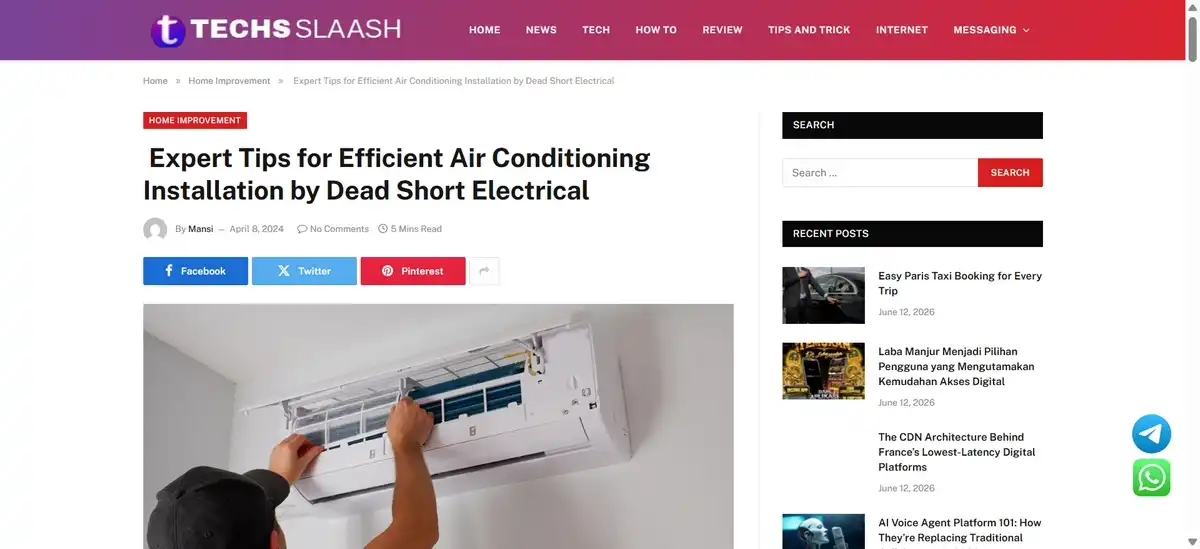
Categories include technology, digital marketing, business, health, lifestyle, and education. Recent articles mix AI stock tools with beauty masks and air conditioning guides. This breadth dilutes the fintech focus the homepage promotes.
The gap between stated mission and published content creates confusion for new visitors. Readers arrive expecting deep finance insights. They often find a wider mix instead.
How Much Traffic and Authority Does Techsslaash.com Have?
Analytics show solid visitor numbers on paper. The sources of those visitors tell a more limited story.
What do the latest traffic numbers show?
The site receives 2.1 to 2.6 million organic visits per month. Traffic value estimates reach $136,000 to $140,000 monthly. Growth appeared in early 2026, yet concentration remains high.
Where does most of the traffic come from?
Branded searches bring nearly all meaningful volume. Terms like “techsslaash” and “techsslaash.com” account for the bulk. Informational queries about laptops or fintech trends contribute very little.
That being said, this pattern means the site functions more as a destination than a discovery hub. Readers already familiar with the brand return. New audiences rarely arrive through helpful content.
How strong is its domain rating and backlink profile?
Domain rating sits between 61 and 71 across tools. Over 2,100 referring domains exist, including some high-authority sources. URL rating stays low around 10, which signals weak internal linking.
Does the Creator Rewards Program Actually Work?
The site promotes a simple path. Writers submit, get reviewed, publish, and earn from views and comments. Real-world reports differ.
What does Techsslaash.com claim about writer earnings?
It describes monthly payouts based on engagement. A dashboard should track performance. Editorial review should ensure quality before publication.
What do independent reviews say about payouts and tools?
Reviews from April through June 2026 consistently note broken dashboards and forms. Submission often routes to a single email address. Support replies stay slow or absent.
Are there verified examples of writers getting paid?
No public proof of consistent payouts appears in available reports. Some contributors describe delayed or missing rewards. Others mention paid guest posts bypassing normal review.
At the same time, writers who expect steady income face real uncertainty. Those who want only a byline may still proceed with lower expectations.
How Good Is the Content and Overall Experience on the Site?
Content quality varies widely. Some pieces explain concepts clearly. Others feel thin or off-topic.
What does a typical article look like?
Posts range from useful explainers on AI tools to generic lifestyle content. Formatting includes basic images and headings. Depth stays light in many cases.
Does the site deliver on its fintech and tech focus?
Fintech articles sometimes cover Indian payment systems like UPI with helpful context. Broader tech pieces mix strong and filler material. Overall consistency feels uneven.
What trust and safety signals exist?
The site runs on WordPress with Cloudflare hosting. SSL appears valid. Footer links point to gambling-style domains, which contradicts the platform’s own disclaimer. Ownership details stay limited.
Simply put, the experience works for quick reads in some areas. It falls short when readers want consistent depth or clear processes for contributors.
Who Benefits Most from Techsslaash.com?
Different users gain different value. Casual readers and link builders see one side. Income-focused writers see another.
Is it useful for regular readers interested in tech?
Yes, for quick fintech explainers with local context. Beginners in India or similar markets find accessible overviews. Advanced readers may want deeper sources elsewhere.
Should writers try publishing there for income?
Proceed with caution. The engagement model sounds fair on paper. Reported tool failures and missing payout proof reduce reliability for anyone counting on revenue.
What about using it for guest posts or backlinks?
SEO agencies list it at low prices between $6 and $42 per post. Domain authority exists. Quality control appears lighter for paid placements, which carries risk for long-term link value.
Everyday users should match their goal to the platform’s actual delivery. Reading costs little. Publishing for pay carries higher uncertainty.
How Does Techsslaash.com Compare to Other Platforms?
Several established options serve tech writers with clearer processes. Each carries its own trade-offs.
What about HackerNoon as an alternative for tech writers?
HackerNoon operates as a long-running tech publication focused on software, AI, startups, and developer tools. Writers submit stories through an editorial process that emphasizes quality and originality.
The platform offers exposure to a large developer audience and some revenue share options based on performance. It maintains stricter guidelines than many newer sites, which helps content quality but can slow publication.
In our experience, writers who value community feedback and consistent branding often prefer HackerNoon for building credibility over quick payouts. The audience skews technical, so fintech explainers perform well when written with depth.
Drawbacks include competitive acceptance and less emphasis on broad lifestyle topics.

How does Medium’s Partner Program stack up?
Medium runs a well-known partner program where writers earn based on member reading time and engagement. The platform provides a clean publishing interface, built-in audience discovery, and transparent earnings reports.
Writers can publish freely and track performance through a simple dashboard. Many everyday tech enthusiasts use it successfully for both income and audience growth. Payouts arrive reliably when stories gain traction, though competition for attention stays high.
Medium’s algorithm favors readable, valuable pieces over keyword stuffing. Limitations include less control over branding and a broader mix of topics that can dilute niche fintech focus.
Writers who want steady feedback and easier monetization often start here before exploring specialized sites.
Is Substack a better option for building an audience?
Substack lets writers create paid or free newsletters with direct subscriber relationships. The platform handles payments, email delivery, and basic analytics without heavy editorial gatekeeping.
Tech and fintech writers frequently succeed by offering in-depth analysis or weekly roundups that readers pay for. Audience growth comes from shares and recommendations rather than search alone. Many creators appreciate the ownership of their list and the ability to set their own pricing.
Drawbacks include the need to build subscribers from scratch and less built-in discovery compared with larger publications. Substack rewards consistent voice and value, which suits writers who treat content as an ongoing conversation rather than one-off articles.
What other established options exist for tech and fintech content?
Established outlets like CoinDesk or The Verge accept freelance pitches with clear editorial standards and professional rates. These sites offer strong credibility and targeted audiences interested in finance and technology.
Publications often require demonstrated expertise and timely angles. Writers gain portfolio value and sometimes higher pay than engagement-based models. The process takes longer and demands stronger sourcing. Newer writers may need clips from smaller sites first.
These platforms prioritize accuracy and original reporting over volume, which raises the bar but improves long-term reputation.

What Practical Steps Can You Take Before Engaging with Techsslaash.com?
Preparation reduces risk, so simple checks reveal much about current operations.
How can you check the platform yourself?
Visit the homepage and try the submit process. Search recent articles for update dates and author details. Review the FAQ and disclaimer sections for transparency clues. Cross-reference claims against recent independent reviews from 2026.
What red flags should writers watch for?
Watch for non-functional dashboards and email-only submissions. Note any lack of clear payout rates or timelines. Check for mixed footer links that contradict the site’s stated focus. Look for patterns in reviews about unresponsive support.
How do you protect yourself if you decide to contribute?
Document every email and submission confirmation. Keep copies of your work. Set personal limits on time invested before expecting returns. Treat any income as a bonus rather than a plan. Consider starting with a short test piece if the byline holds value for you.
These steps help everyday users make informed choices without overcommitting. The bottom line is simple. Test small first.
Suggested Image Placement: In practical steps section Alt text: “Checklist graphic for verifying tech writing platforms before submitting content”
What Does the Future Look Like for Platforms Like Techsslaash.com?
Models that promise rewards without reliable delivery face pressure. Transparency often separates sustainable platforms from short-term experiments.
What risks does the current model carry?
Heavy reliance on branded traffic creates vulnerability. If interest shifts, visitor numbers can drop fast. Unverified payouts damage trust and slow writer growth. Mixed content quality may affect long-term reader loyalty.
What improvements would make a real difference?
Clear payout documentation and working dashboards would help. Regular public updates on rewards processed would build credibility. Stronger editorial consistency across categories would support the fintech positioning.
How should you approach similar sites going forward?
Test small before investing effort. Prioritize platforms with transparent processes and proven track records. Focus first on audience value and second on monetization. Verify claims through recent user reports rather than homepage promises alone.
At the end of the day, platforms improve when they listen to feedback. Watch for real changes in tools and transparency.
What Should You Do Next with This Information?
You now have a clearer picture of traffic strength, tool issues, and payout gaps. Readers can enjoy free explainers while staying aware of content variety. Writers gain a practical checklist before committing time. The platform shows real potential in numbers yet delivers uneven results in practice.
Test the site yourself with low stakes first. Track any changes in tools or transparency over the coming months. Choose platforms that match your goals, whether quick reads, portfolio pieces, or reliable income. Informed decisions protect your time and effort in the evolving creator space.