Google to Skip Version Numbers in ChromeOS to Match Chrome’s Faster Release Pace
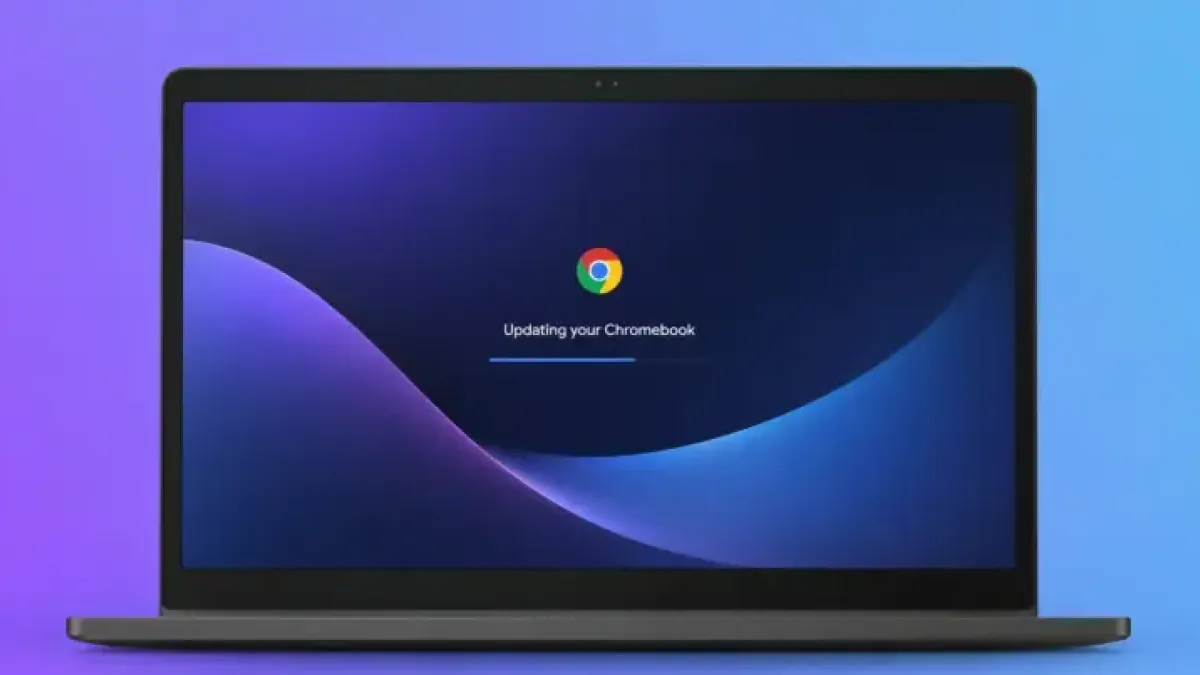
Google will change How It numbers ChromeOS updates starting with version 154, skipping odd numbers entirely and jumping two milestones at once with every stable release.
The move directly responds to a separate decision Google made for its desktop Chrome browser: a shift to a Two-Week Update schedule beginning with Chrome 153 this September, doubling the current release frequency.
Why the Numbers Stopped Matching
Chrome and ChromeOS have shared identical version numbers for years — Chrome 148 shipped alongside ChromeOS 148, giving developers and IT administrators an instant cross-platform reference point.
That alignment breaks down once Chrome accelerates to a two-week cadence. The browser would race through version numbers twice as fast, leaving ChromeOS stranded several milestones behind.
Google is keeping ChromeOS on its existing four-week release schedule. A full operating system requires hardware regression testing and manufacturer validation before it reaches consumers — steps that cannot compress into 14 days across millions of Chromebook models without introducing failures.
The Fix: Skip a Number
Rather than accept a growing gap between version numbers, Google will simply advance ChromeOS by two milestones per stable release instead of one.
When Chrome ships version 156 after two weeks, ChromeOS will jump directly from 154 to 156 on its next four-week cycle, maintaining the numerical match without accelerating its actual update frequency.
Enterprise administrators and school IT departments managing large Chromebook fleets do not need to change their internal update policies. The physical cadence of ChromeOS updates stays at four weeks — only the version number increments change.
LTS Channel Gets a Bigger Jump
Administrators using the Long-Term Support channel — a slower-moving track designed for organizations that prioritize stability — will see a proportionally larger version jump.
LTS builds ship every six months. Under the new scheme, each LTS release will advance by 12 milestones instead of the previous six, keeping those builds numerically aligned with the accelerated versioning system.
That adjustment preserves the LTS channel’s core function: giving large institutions a stable, infrequently updated platform without requiring them to track a separate numbering logic.
Broader Industry Context
Google’s browser acceleration follows a broader shift across the industry. Microsoft announced Edge will move to its own two-week release cycle beginning in late August, applying a near-identical rationale — delivering web platform features and security patches at twice the current pace.
Standalone browsers can absorb that speed. Operating systems cannot.
ChromeOS first launched in 2011 and has historically mirrored Chrome’s version cadence since the two platforms share the same underlying engine. That shared numbering has long served as a practical shorthand for developers tracking API availability and security patch status across mixed device environments.