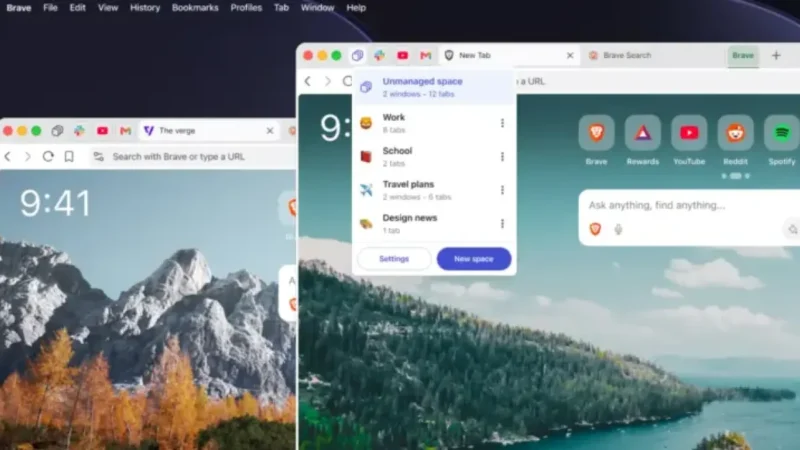
Brave Browser Mocks YouTube Premium Price Hike, Promotes Free Ad-Blocking
Google raised YouTube Premium prices for existing U.S. subscribers on June 8, pushing individual plans to $15.99 a month, student plans to $8.99 a month, and family plans to $26.99 a month.
German subscribers followed on June 11, with standard plans rising to €14.99 a month and the stripped-down Premium Lite tier climbing 33%.
Google said the increases help it “continue to improve Premium and support the creators and artists you watch.”
Brave Moves Fast
Brave Browser moved within days to turn the backlash into a recruiting pitch, posting a meme on X that depicted a lone stick figure shouting about the price rise at a group of Brave users — one of whom responded with a thumbs-up before returning to minding their own business.
The caption read: “Not our problem.”
The post drew swift engagement from users already venting frustration over the hikes, with many sharing it alongside complaints about the new pricing.
Users Hunt for Exits
Even before Brave’s post, users had begun circulating workarounds across Reddit threads and tech forums.
Popular alternatives include sideloading ReVanced — a modified YouTube app that strips ads — setting a VPN to route traffic through Albania, or running uBlock Origin Lite in supported browsers.
Each method requires ongoing maintenance, as Google periodically updates its ad-blocking detection scripts to close those gaps.
some users opted out of the ad-avoidance debate entirely, redirecting their subscription budgets to creator-direct platforms including Patreon, Nebula, Dropout TV, and Critical Role.
What Brave Offers
Brave builds ad-blocking directly into the browser at the network level, blocking ads before the page loads rather than filtering them afterward via an extension.
That approach sidesteps the arms race between Google’s anti-adblock scripts and third-party extension developers, which has repeatedly broken tools like uBlock Origin on Chrome since Google rolled out the Manifest V3 extension standard — a set of rules governing how browser extensions operate — in 2024.
Brave does not require users to install additional software, adjust settings, or route traffic through a third-party VPN server.
Still, Brave’s ad-blocking on YouTube has faced its own intermittent disruptions, and Google has historically targeted browser-level blocking alongside extension-based methods.
Broader Subscription Pressure
The YouTube Premium increases land against a backdrop of broad subscription price fatigue across streaming platforms.
Netflix, Disney+, and Spotify have all raised prices in the past two years, accelerating what analysts have described as growing consumer resistance to recurring digital charges.
Google raised YouTube Premium prices for new U.S. subscribers earlier in 2026 before extending the increases to existing subscribers in June — a sequencing that drew particular criticism from long-term users who said they had locked in lower rates expecting them to hold.
YouTube Premium, launched in 2018 as YouTube Red before rebranding, bundles ad-free viewing, background playback, and access to YouTube Music.