Google Expands Gemini in Chrome to 172 Locales, Leaves EU Behind
Google has expanded its Gemini AI assistant inside Chrome to 172 locales worldwide, nearly tripling coverage from the previous 54, while the European Union remains absent from the rollout.
Chrome desktop and iOS users across Latin America, Africa, and the Middle East gained access to the feature starting Wednesday, marking a significant jump from its U.S.-only debut last year and a narrower March expansion that added Canada, New Zealand, and India.
Europe Left Out Again
The EU does not appear on the updated availability list — a pattern that has emerged repeatedly across major AI product rollouts from large technology companies.
Regulators in the bloc, including those enforcing the EU AI Act and the General Data Protection Regulation, have placed mounting compliance demands on AI deployments, making the region a persistent holdout for features that launch freely elsewhere.
Google has not publicly stated when Gemini in Chrome will reach EU users or what regulatory conditions it must first satisfy.
What the Feature Does
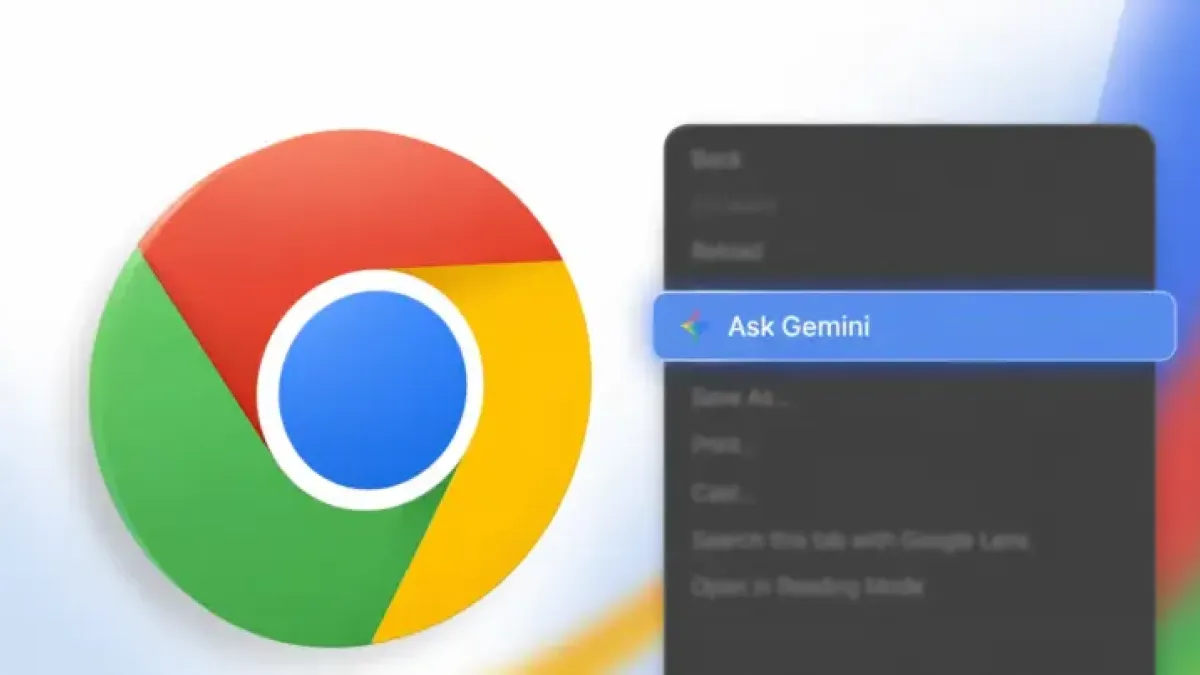
At its core, Ask Gemini — the name Google uses for the AI side panel — lets users summarize long web pages and cross-reference content across multiple open tabs without navigating away from their current page.
The assistant also connects directly to other Google services. Users can schedule events through Google Calendar, retrieve location data from Maps, draft messages in Gmail, and interact with YouTube content, all from within the browser’s side panel.
Google has separately introduced what it calls Nano Banana 2, an internal codename for a tool that lets users edit online images using plain-text prompts inside the Gemini panel.
A second addition, Personal Intelligence 1, links Gmail, Google Photos, YouTube, and Search to generate context-aware answers tailored to individual users.
Memory and Visual Features
The assistant now retains context across past conversations, reducing the need for users to re-explain ongoing research each session.
Google is also developing a visual lookup function for Ask Gemini in Chrome — a desktop equivalent of the mobile Circle to Search feature — though the company has not announced a release date.
Security and User Controls
Google says the underlying models have been trained to detect prompt injection attacks, a method adversaries use to manipulate AI systems by embedding malicious instructions inside content the AI reads.
The system also requires explicit user confirmation before completing sensitive actions, the company said.
Users who do not want the feature can disable the Ask Gemini button from Chrome’s toolbar. They can also remove it from the browser’s right-click context menu separately, restoring the default browsing experience.
Background
Chrome holds roughly 66% of the global browser market, according to StatCounter, making it Google’s single largest distribution channel for consumer-facing AI features.
Google first introduced Ask Gemini in Chrome to U.S. users in 2024 as part of a broader effort to embed Gemini across its product portfolio, which now spans Search, Gmail, Google Home, and YouTube.