What Happens When You Place a Stock Order Outside Market Hours?
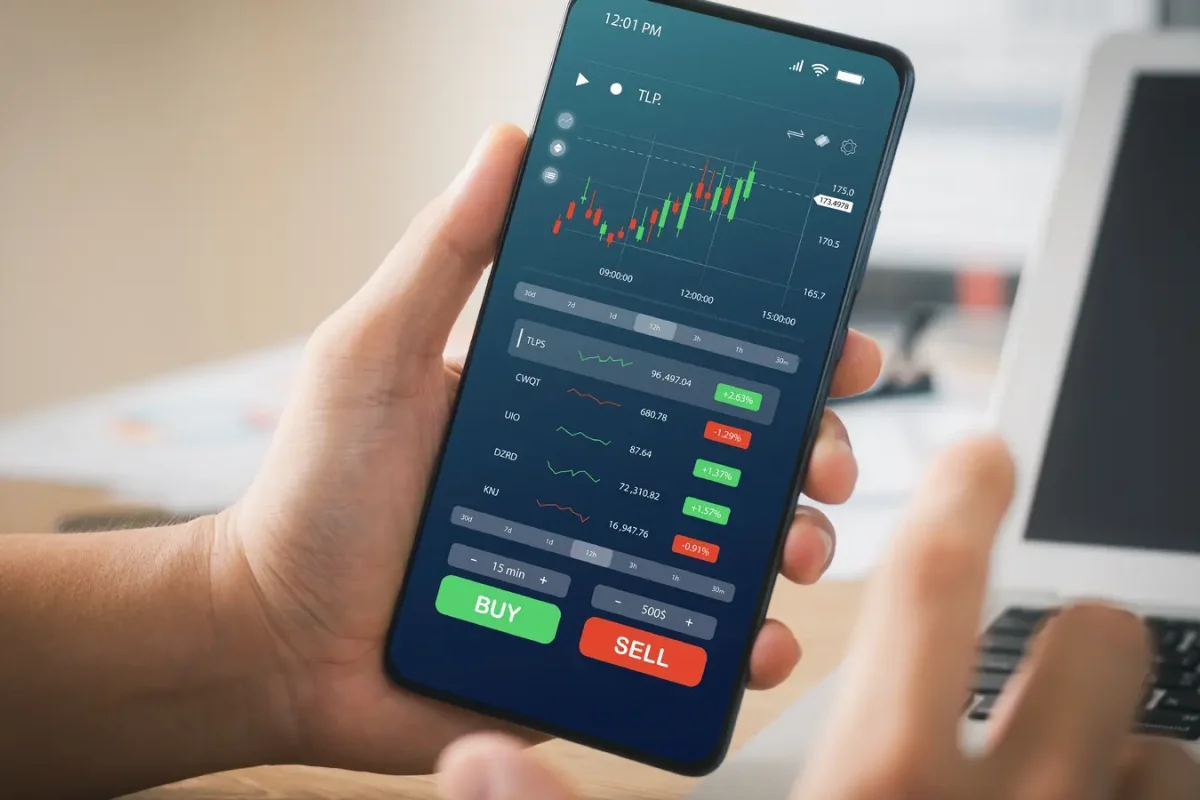
Orders within the stock market are most often placed during normal market hours. However, investors may wish to place an order but may not be able to monitor the market all day. If someone decides they want to trade a stock after the market has closed, they will want to place an order straight away. Most brokers provide the ability to place orders outside of normal market hours, these are known as After Market Orders (AMO).
Understanding Stock Orders Outside Market Hours
Indian stock exchanges follow specified trading schedules. The regular equity market session generally runs from 9:15 am to 3:30 pm on trading days. Investors can place orders through their broker platform outside these hours, depending on the facility offered.
Such orders are commonly called After Market Orders. They allow investors to submit buy or sell instructions when the regular market is closed. However, submitting an order does not mean that the transaction has taken place. Those planning to open Demat account facilities should also understand how different order types work before placing their first trade.
How an After Market Order Works
An AMO follows a process that differs slightly from an order placed during regular trading hours. The investor first selects the stock, enters the quantity, and chooses the order type.
After submission, the broker receives the instruction and holds it until the permitted exchange order-entry window. Once the exchange accepts the order, it becomes part of the trading system. The order may then be executed if a suitable buyer or seller is available, and the price conditions are met.
What Happens to Different Types of Orders?
The outcome of an AMO depends partly on the order type selected by the investor.
Limit Order
A limit order allows investors to specify the maximum price they are willing to pay when buying shares or the minimum price they are willing to accept when selling. The order executes only if the market reaches the specified price or offers a better one.
Market Order
A market order instructs the broker to execute the trade at the available market price when the order reaches the exchange. However, the opening price may differ considerably from the previous closing price.
Stop-Loss Order
Some brokers allow stop-loss orders through their AMO facility, although availability depends on their rules. Such orders are triggered when the specified price condition is reached during trading. Investors should check the platform rules before selecting this facility.
Why the Execution Price May Differ from Expectations
A stock closing price may not be the exact price it opens for the next day. There are many factors that can influence a stock’s price when it comes into trade. This can include announcements, quarterly reports, government policy changes, international markets, and any big economic news.
If a company announces it had better than expected earnings after the market closes, then it may create some buying interest the following morning. Its share price could open higher than the previous closing price.
This is known as a price gap. An investor who places a market order after closure may therefore receive an execution price different from the last traded price.
Important Things to Check Before Placing an AMO
Before submitting an order outside regular market hours, investors should review a few details.
- Different brokers will have different cut-off times for AMO orders, so it is important to make sure you know what time your broker uses.
- Know whether you want your order to carry over to the next session or not.
- Buy orders require sufficient funds in the trading account. Applicable margin requirements may also apply.
- Sell orders require the necessary holdings or eligible securities in the account.
- Make sure that your limit price is set within the range you want to buy/sell at rather than just using the last closing price.
- Check your order book to ensure your order is either waiting to be filled, filled, accepted or rejected.
How a Demat Account App Helps Manage Orders
The Demat account app provides investors with access to their holdings and account details. Depending on the broker, you will be able to place orders, track them, stay up to date with news, and view transaction history.
It is important to know the difference between a Demat account and a trading account. A Demat account stores your assets electronically while a trading account is used for buying and selling.
Those looking to open up Demat account facilities should look at the different types of orders the broker can provide, AMO times, costs and what the platform offers.
Conclusion
Investors can place an order to trade in the stock market outside the trading hours. But it shall be executed only when the order is received by the exchange, and the price and quantity of the order is fulfilled. Investors can use a Demat account app to keep track of orders and holdings. InCred Money can aid individuals in understanding various financial products and order types to make informed decisions.