Microsoft Edge is an excellent browser, but its aggressive tactics must stop
Microsoft Edge is genuinely excellent. It is also genuinely overbearing — and an industry coalition wants that to change.
A Browser Worth Choosing
Edge, Microsoft’s Chromium-based web browser, has earned real fans. Chromium is the open-source engine that also powers Google Chrome, meaning Edge inherits Chrome’s broad compatibility while adding its own performance refinements. For users managing heavy workloads — think 15 or more open tabs running simultaneously — those refinements matter.
The browser launches quickly, manages memory efficiently, and preserves useful features that Chrome has quietly dropped over the years. On those merits alone, many users have made it their default.
So Why the Hard Sell?
The problem is not what Edge does. The problem is how Microsoft pushes it.
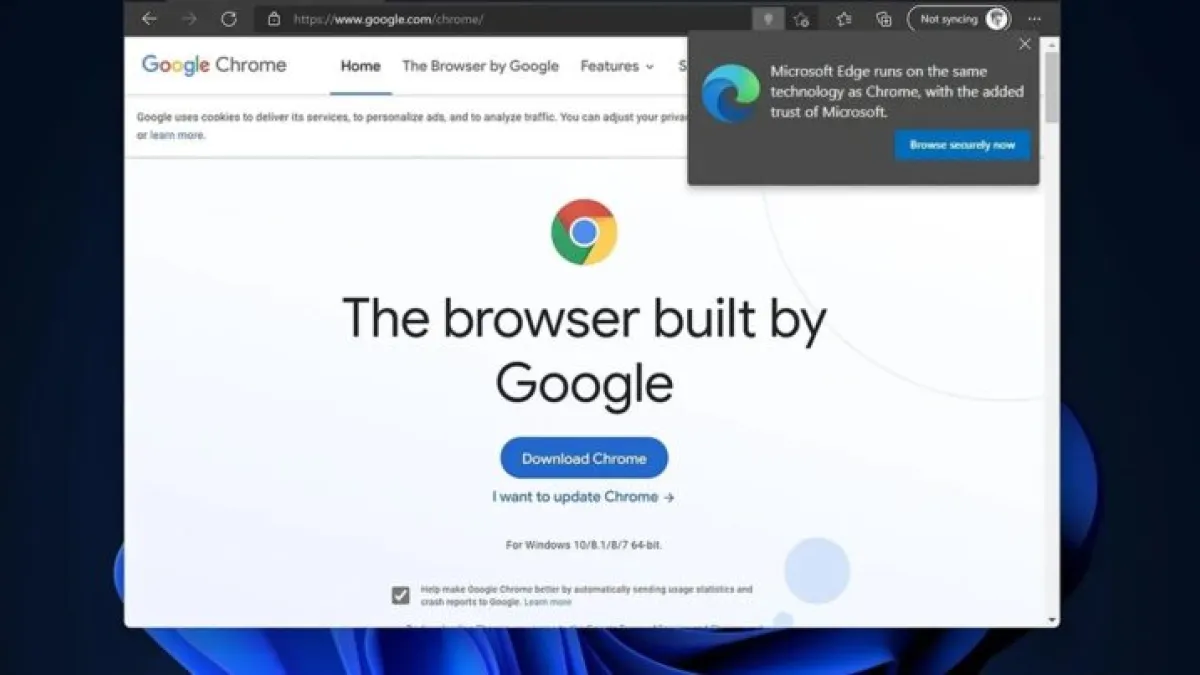
Open a competing browser on a Windows PC and the operating system frequently responds with pop-up banners, Copilot prompts, and reminders that Edge is supposedly faster. The interruptions arrive even when users have already made their choice clear. That pattern of behavior is now the subject of a formal, public complaint.
On June 3, 2026, the Browser Choice Alliance (BCA) — a coalition advocating for fair competition among web browsers — published an open letter to Microsoft CEO Satya Nadella. The letter, bluntly titled “Dear Microsoft, Enough is Enough,” argues that Microsoft is using its control over the Windows operating system to tilt users toward Edge rather than competing on product quality.
What the Alliance Is Calling Out
The BCA letter identifies several specific practices it considers manipulative.
First, the group objects to intrusive banners that appear when users try to download rival browsers. The messages are designed to create confusion and second-guessing at a moment of deliberate user action.
Second, the alliance flags what it calls “sneaky defaults” — instances where Windows system updates or misleading interface designs quietly revert a user’s chosen default browser back to Edge without explicit consent.
Third, the letter highlights how Microsoft applications including Outlook, Teams, and Windows Search are hardwired to open web links in Edge. That behavior ignores whatever default browser a user has set at the system level.
Fourth, the BCA criticizes Microsoft for blocking Edge’s uninstallation entirely and for preventing rival browser developers from offering a straightforward, one-click process for users who want to switch defaults.
What the Alliance Wants
The BCA is asking Microsoft to make immediate changes globally, not just in markets where regulators are watching. The demands include honoring system-level default browser settings for all web links, ending interface designs built to mislead users, and creating a level competitive environment where browsers win users through performance rather than platform pressure.
The Bigger Picture
The BCA’s complaint fits into a broader pattern of regulatory scrutiny. Competition authorities in Europe and elsewhere have spent years examining how dominant platform owners — companies that control both an operating system and applications that run on it — can quietly disadvantage rivals without ever technically blocking them.
Microsoft has faced this kind of scrutiny before. In the 1990s, its bundling of Internet Explorer with Windows became the center of a landmark antitrust case in the United States. The tactics the BCA describes today are different in form but similar in logic: use platform dominance to steer users toward a proprietary product.
A Strong Product Does Not Need These Tactics
Edge does not need a rescue operation. It is fast, stable, and feature-rich. Users who try it on its own terms frequently stick with it.
That is precisely what makes the aggressive promotion so counterproductive. Heavy-handed nudges do not persuade skeptical users — they irritate loyal ones. Every intrusive banner that appears when a user opens Firefox or Chrome is a reminder that Microsoft does not fully trust its own product to win the argument.
A browser that genuinely outperforms its rivals should be able to make that case through the experience of using it. Microsoft has built something worth choosing. It should Let Users do the choosing.