Chrome 149 brings smarter DevTools and new debugging features
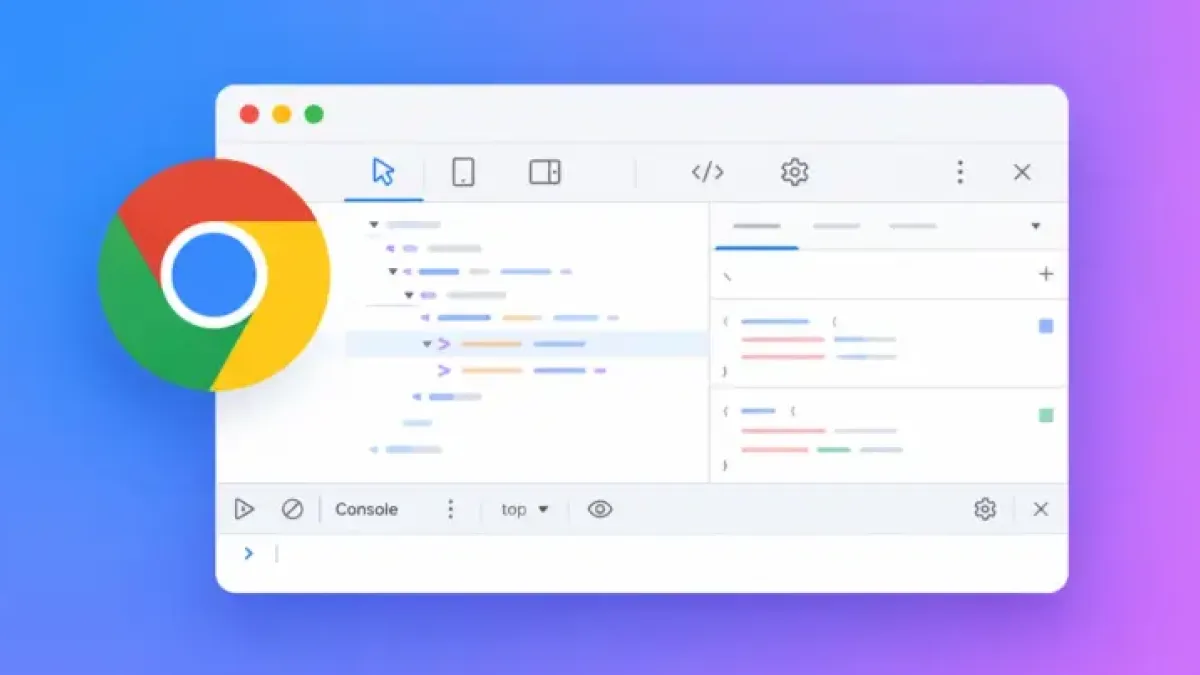
Google has released Chrome 149, overhauling the developer tools — the behind-the-scenes toolkit used to build and test websites — in ways that will eventually improve everyday browsing for regular users.
A Smarter AI Assistant
The updated DevTools include a Gemini 3-powered AI assistant that analyzes entire web pages and delivers targeted guidance on fixing broken elements or improving load times. Google says the upgraded assistant provides “more concise and more actionable answers” than its predecessor. Rather than returning walls of text, it now presents performance data through visual widgets that are easier to read at a glance.
Faster, better-tested websites mean fewer broken buttons, stalled checkouts, and frustrating errors for everyday users.
Automated Bug Testing
Chrome 149 also introduces experimental automated testing tools. AI-powered bots can now navigate websites independently, clicking links and filling out forms to catch bugs before real visitors ever arrive. Developers watch the process unfold in real time. That frees them from tedious manual testing and lets them focus on building new features instead.
Better Mobile Simulation
The update replaces a decade-old mobile simulator with a dynamic tool that updates automatically based on the current calendar year. Developers now see an accurate representation of how modern smartphones render pages, allowing them to spot and fix mobile display glitches before publishing.
Modernized Color and Contrast Tools
Chrome 149 also retires an outdated color calculation system in favor of a perceptual contrast model — one designed to reflect how the human eye actually processes color. Google says the new tool is “optimized for modern displays and text rendering.” In practical terms, it helps designers ensure text and background colors provide sufficient contrast, reducing the chance users encounter hard-to-read light gray text on white backgrounds.
AI-Assisted Layout Coding
A new AI coding companion lets developers describe a desired layout in plain language and receive generated styling code instantly. A small loading indicator appears while the AI processes the request. The result is less time spent memorizing complex code syntax and more time spent on the visual quality of the finished product.
The improvements will reach users gradually, as developers adopt the new tools and publish updated versions of their sites.