Ladybird shutters public contribution queue ahead of first alpha release of browser
The Ladybird browser project has stopped accepting new public pull requests — proposed code changes submitted by outside contributors — as the team prepares for its first alpha release later in 2026.
The independent project closed its public contribution queue on GitHub so its core engineers can focus on stabilizing existing features rather than reviewing a continuous stream of new submissions.
Why the Team Hit Pause
Project leader Andreas Kling and his colleagues are targeting an alpha launch for Linux and macOS users later this year. Processing outside pull requests creates significant code review overhead, and pausing that queue lets maintainers work through what they already have without chasing a moving target.
The timing also reflects a broader architectural shift. The team is migrating core parts of the browser from C++ to Rust, a programming language chosen specifically for its ability to handle untrusted web data more safely. Engineers recently finished rewriting the tools that parse — read and interpret — web pages and links to reduce crashes and close security gaps. Verifying all that new code demands concentrated effort that outside submissions would interrupt.
Building a browser engine from scratch adds another layer of complexity. Unlike projects that build on Chromium or Mozilla’s Gecko, Ladybird writes its own layout, JavaScript, and networking code entirely in-house. Casual external contributions often lack long-term ownership, meaning the core team inherits maintenance responsibility if an original contributor disappears after their code merges.
What Still Remains Open
The repository remains publicly visible on GitHub. Anyone can still clone it, compile the browser locally, and explore its architecture. Only the pipeline for merging new external code into the main branch is currently closed.
The Road Ahead
The upcoming alpha is designed to serve as a capable daily driver for web developers and technical users. A broader beta is planned for 2027, with a stable release targeting the general public by 2028.
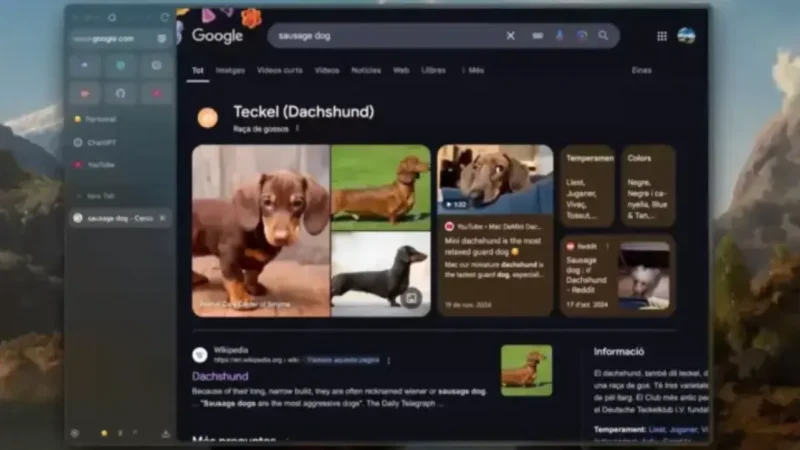
The project also recently added Vertical Tabs for sidebar-style page management and swapped its original content filtering system for Brave’s open-source ad-blocking engine.