
Delta Flight DL275 Diverted to LAX After Emergency Onboard

When you fly long distances, you trust that everything will go smoothly — from takeoff to landing.
However, for passengers on Delta Flight DL275, that expectation changed mid-air.
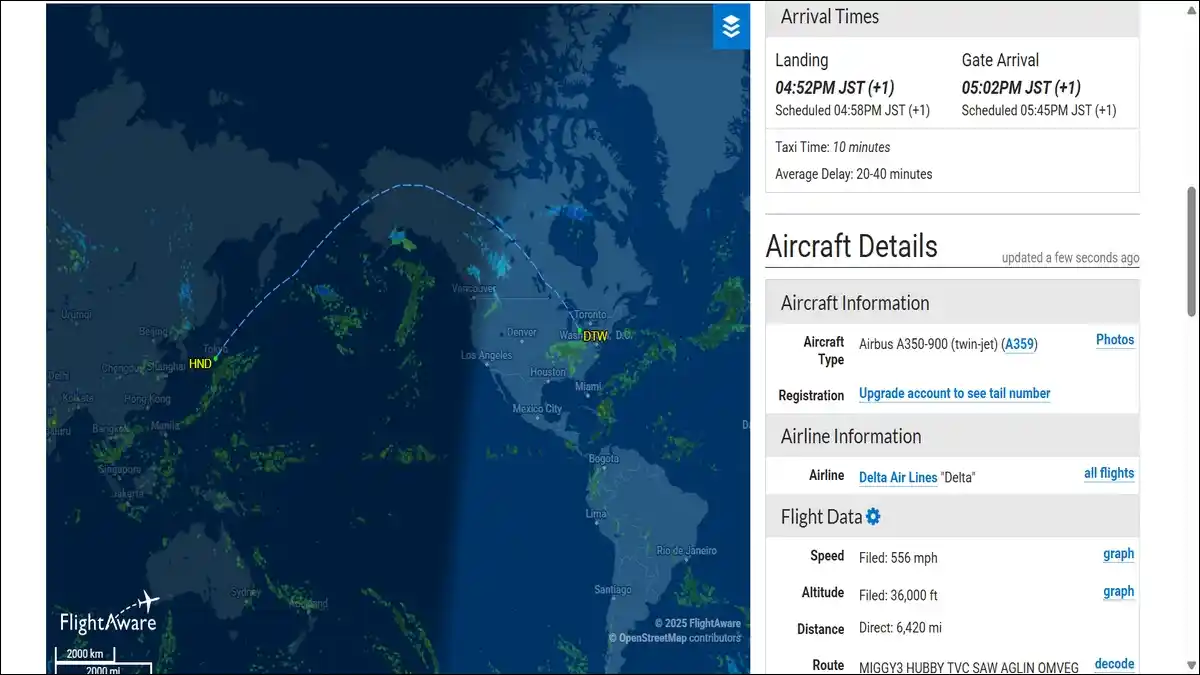
On May 28, 2025, this Delta Air Lines flight from Detroit (DTW) to Tokyo Haneda (HND) faced an unexpected in-flight emergency.
A problem with the aircraft’s engine anti-ice system forced the pilots to divert the Airbus A350 to Los Angeles International Airport (LAX).
Thankfully, everyone on board was safe.
But the incident quickly became a talking point among aviation enthusiasts and travelers alike.
Let’s find out what exactly happened, why the LAX diversion was necessary, and what lessons we can learn from this Delta A350 incident.
Understanding Delta Flight DL275
Before the emergency, Flight DL275 was a regular international route.
It connected two major cities — Detroit, USA and Tokyo, Japan — and was known for its long but smooth transpacific service.
Basic Flight Details
| Detail | Information |
|---|---|
| Airline | Delta Air Lines |
| Aircraft | Airbus A350-900 |
| Engines | Rolls-Royce Trent XWB |
| Route | Detroit (DTW) → Tokyo Haneda (HND) |
| Distance | Approx. 6,400 miles |
| Typical Duration | 13 hours |
The Airbus A350 is one of Delta’s most modern long-haul aircraft.
It’s equipped with advanced safety systems, efficient engines, and real-time monitoring features.
During the first few hours, everything seemed normal.
But as the plane cruised high over Alaska, an unexpected warning appeared — setting off a chain of events that would lead to an emergency landing.
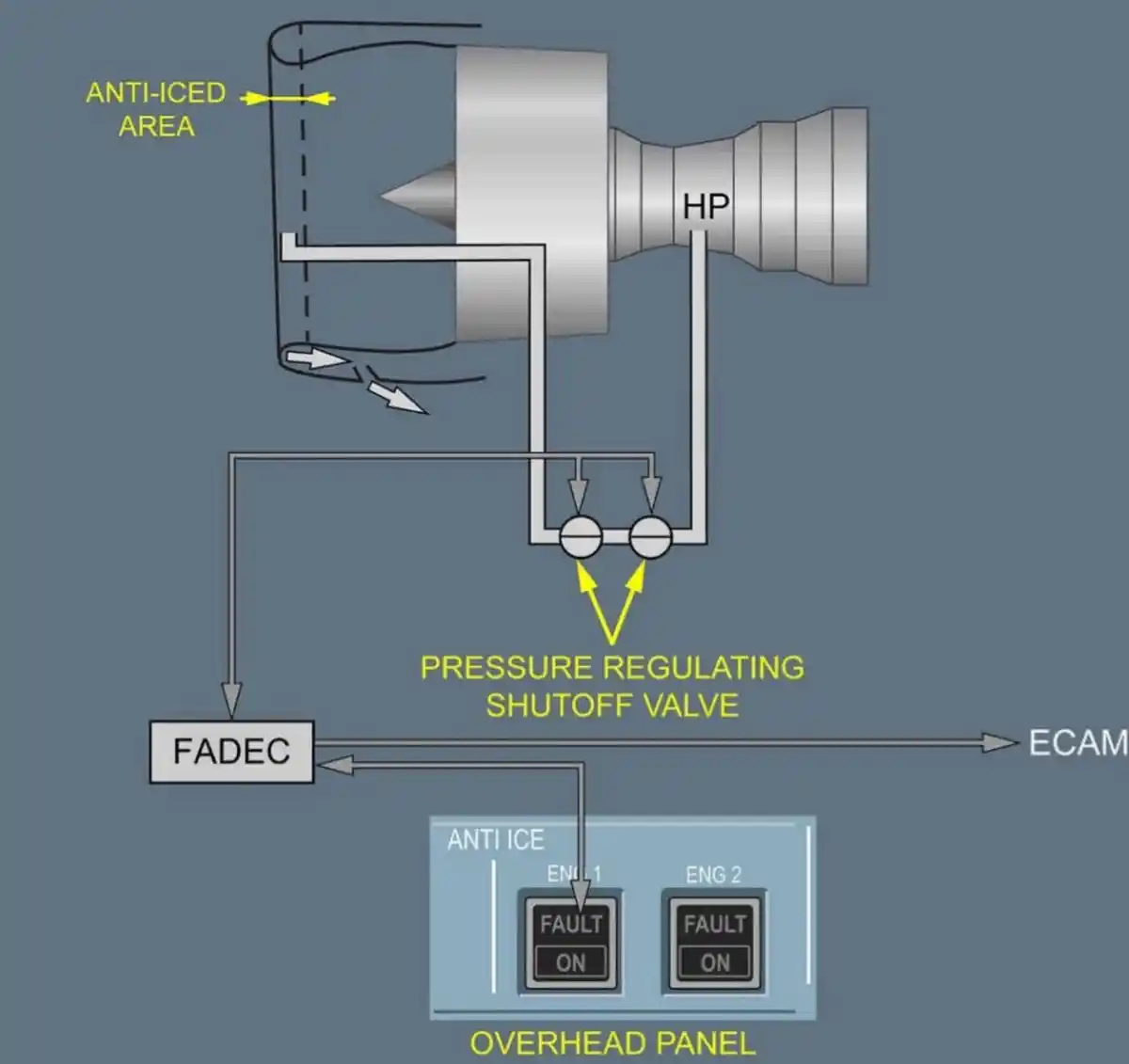
The Problem: Engine Anti-Ice System Failure
About five hours into the flight, while the plane was cruising at 38,000 feet, pilots noticed a warning related to the engine anti-ice system.
Why the Anti-Ice System Is Critical
- At high altitudes, temperatures drop sharply.
- Cold, moist air can cause ice to form on engine surfaces.
- If that ice builds up, it can disrupt airflow and damage critical components.
To prevent this, engines use a system that channels hot air from inside the engine to heat up and protect these parts.
This ensures consistent airflow and performance throughout the flight.
Also read: Who is Kyle Fraser? He Won Survivor 48
What Went Wrong
The cockpit system indicated that one engine’s anti-ice system was malfunctioning.
This kind of warning doesn’t always mean immediate danger — but on long transoceanic flights, even small technical problems can become serious if ignored.
At that point, DL275 was around 620 nautical miles southwest of Anchorage, Alaska, far from major airports.
Continuing toward Japan would have meant flying hours over the Pacific Ocean without safe diversion points.
Therefore, the pilots had to act quickly — prioritizing safety over the schedule.

The Decision to Divert to LAX
After evaluating the options, Delta’s flight crew decided to divert the aircraft to Los Angeles International Airport (LAX).
This choice wasn’t just about proximity — it was about finding the safest, best-equipped location to handle the issue.
Why LAX Was Chosen
| Reason | Explanation |
|---|---|
| Maintenance Resources | LAX is a major Delta hub with experienced A350 engineers. |
| Long Runways | Safe landing for a fully loaded wide-body aircraft. |
| Passenger Facilities | Access to hotels, food, and rebooking options. |
| Weather Conditions | Clear skies for a smooth landing. |
| Logistical Convenience | Ready access to spare parts and support teams. |
While airports like Anchorage or Seattle were geographically closer, LAX offered the best combination of safety and support.
The Diversion Journey
The pilots coordinated with air traffic control and rerouted the flight toward Los Angeles.
The aircraft descended gradually and landed safely about four hours later, with emergency crews standing by as a precaution.
Passengers reported a calm and professional atmosphere throughout the diversion.
In short, the crew’s decision ensured that everyone reached the ground safely — a perfect example of why aviation prioritizes caution over convenience.
Also read: Meet The Press S76E46: Overview
The Passenger Experience
For those onboard, the diversion was surprising — and stressful for some — but ultimately well-handled.
Communication and Calm
Many passengers were resting or watching movies when they heard the pilot’s announcement.
The crew calmly explained that there was a technical issue and that the diversion was a standard safety procedure.
As one passenger shared on X (formerly Twitter):
“I was on DL275. There was a de-icing issue, but the crew handled everything calmly. We were safe the whole time.”
This kind of reassurance helps reduce anxiety during unexpected events.
After Landing at LAX
Upon landing, the plane taxied normally, and passengers disembarked through the usual gates.
Delta’s ground team quickly arranged hotels, meal vouchers, and rebooking for all passengers continuing to Japan.
Maintenance teams inspected the Airbus A350 immediately.
According to Delta’s internal updates, the aircraft remained grounded for about 18 hours before being cleared to resume service.
Technical Insight: Understanding the Delta A350 Incident
To truly understand the Delta Flight DL275 emergency, it helps to look deeper into how the engine anti-ice system functions.
How the Anti-Ice System Works
- The system channels hot compressed air from the engine’s core to heat the front surfaces.
- This hot air prevents moisture from freezing on the engine inlet and sensors.
- If sensors detect an issue (like low temperature or airflow), a warning appears on the cockpit’s monitoring system.
When the system on one of DL275’s engines stopped functioning properly, it meant that part of the engine could be exposed to ice buildup.
Why It’s a Big Deal
Over the Pacific Ocean, the air is cold and humid.
A non-functional anti-ice system can allow ice to accumulate, possibly restricting airflow or damaging internal blades.
Even though the A350’s engines have redundancy systems, flying for several hours without protection is not acceptable under safety regulations.
Initial Findings
Reports suggest that one of the engine’s anti-ice valves was stuck, preventing enough hot air flow.
This triggered the warning and prompted the diversion.
In aviation, such decisions are taken early because prevention is better than cure. By diverting, the crew avoided potential escalation and kept passengers completely safe.
After the Diversion: Response and Recovery
Once on the ground, Delta and Airbus engineers began their inspections.
Maintenance and Repair
The maintenance team checked the engine control valves, temperature sensors, and bleed-air lines. They identified and replaced the faulty component before testing the system again.
Only after multiple test runs was the aircraft cleared for service.
Passenger Rebooking
Delta handled rebooking efficiently.
Some passengers continued to Tokyo Haneda the next morning, while others were re-routed via Seattle or Minneapolis.
Delta also issued an official statement confirming that the diversion was made “out of an abundance of caution.”
The airline emphasized that safety remained the top priority and thanked passengers for their patience.
Broader Lessons from the DL275 Incident
For Airlines
Airlines can learn the importance of readiness for mid-flight technical issues, especially on long transoceanic routes.
They need robust maintenance support networks and real-time monitoring systems.
Predictive analytics — tools that track engine performance — can help detect potential faults earlier.
Still, technology can’t replace experienced pilots who can make calm, informed decisions during emergencies.
For Passengers
Travelers can also take valuable lessons:
- Stay calm if your flight diverts. It usually means the safety systems worked exactly as intended.
- Keep essentials like medication and chargers in your carry-on.
- Be patient — diversions are stressful for everyone, but they’re always about keeping you safe.
How Rare Are Such Incidents?
Statistically, fewer than 1 in 10,000 flights divert for mechanical reasons.
That shows how reliable modern aircraft are, especially wide-body jets like the Airbus A350.
So, while stories like Delta Flight DL275 Diverted to LAX make headlines, they also demonstrate just how safe air travel really is today.
Aviation Safety in Action
Every LAX diversion like this reinforces the strength of aviation’s safety-first mindset.
Instead of risking continued flight over the ocean, the crew chose a secure alternative.
That decision, though costly, protected hundreds of lives and maintained trust in the airline’s professionalism.
In total, Delta likely spent over $2 million covering fuel, passenger accommodations, and maintenance.
Still, that cost is small compared to ensuring absolute safety.
This incident reminds us that aviation safety isn’t just a slogan — it’s a discipline built into every decision.
Summary: Key Facts of the Delta Flight DL275 Emergency
| Category | Details |
|---|---|
| Flight Number | DL275 |
| Date | May 28, 2025 |
| Route | Detroit (DTW) → Tokyo Haneda (HND) |
| Aircraft Type | Airbus A350-900 |
| Engine Type | Rolls-Royce Trent XWB |
| Problem | Engine anti-ice system malfunction |
| Diversion Airport | Los Angeles (LAX) |
| Incident Type | LAX diversion due to Delta A350 incident |
| Passengers Injured | None |
| Aircraft Downtime | Approx. 18 hours |
| Estimated Cost | Around $2 million |
| Outcome | Safe landing, full recovery, no injuries |
Also read: BestAutoXperts.com: One-Stop for Auto Repair Needs
What We Can Take Away
In the world of aviation, every incident is a learning opportunity.
The Delta Flight DL275 emergency shows how advanced aircraft systems, well-trained pilots, and quick decisions can turn potential danger into a controlled, safe outcome.
For passengers, it’s proof that even in emergencies, airline crews and aircraft technology are designed to protect them.
For airlines, it’s a reminder that preparation, maintenance, and communication always pay off.
In short, Delta Flight DL275’s diversion to LAX wasn’t just an emergency — it was a demonstration of professionalism, teamwork, and the aviation industry’s unwavering commitment to safety.


