Is BitAlpha AI Safe? No! The Evidence Points to A Crypto Scam
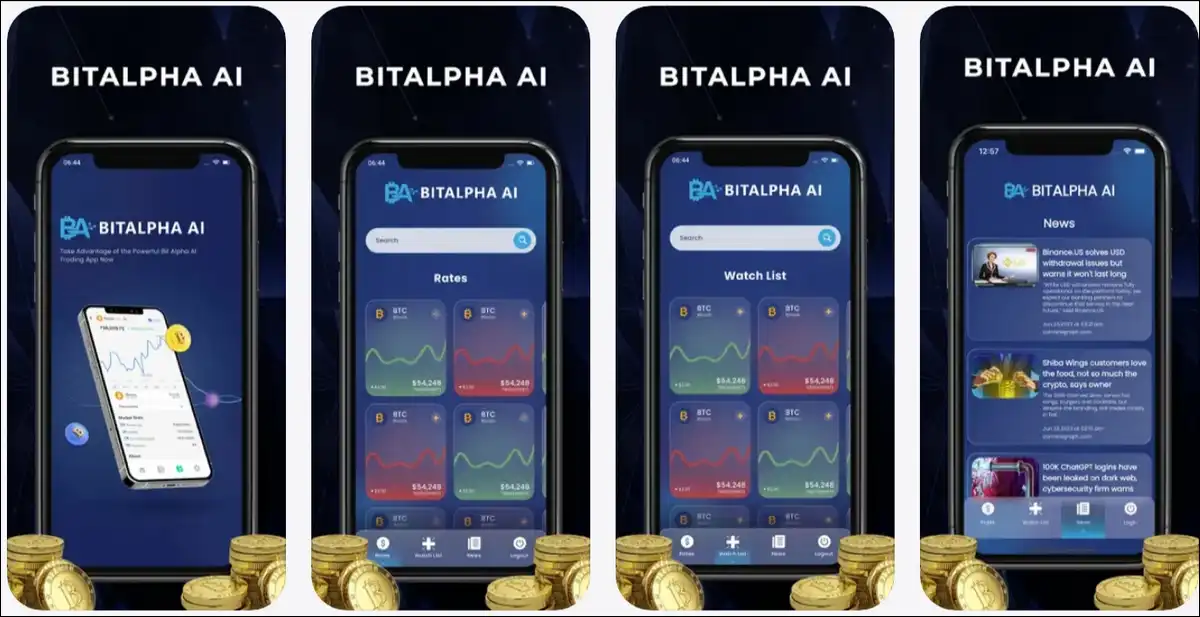
Short answer: BitAlpha AI is not safe to deposit your money into. Independent fraud investigators, scam-checking tools, and victim reports all point the same way. This article shows you the evidence so you can decide with open eyes.
This is a safety investigation, not a buyer’s guide. We are not reviewing features or pricing. We are answering one question: should you trust BitAlpha AI with your money? Based on the public record, the answer is no.
Is BitAlpha AI Safe? The Quick Verdict
No. BitAlpha AI shows the classic pattern of an automated crypto trading scam. The brand promises easy profits, takes a deposit, then makes withdrawals difficult or impossible.
The real question you are asking is simple. Can you put in money and get profits back out safely? The documented evidence says you cannot. Treat any site using this name as high risk.
BitAlpha AI Safety at a Glance
| Question | Finding |
|---|---|
| Is it safe to deposit? | No, based on fraud-investigation reports |
| Who runs it? | Owners are hidden across multiple sites |
| Regulated? | No evidence of authorisation by major regulators |
| Typical entry cost | A “$250 minimum deposit” is requested |
| Main claim | High win rates, fast profits, easy withdrawals |
| Main reality | Withdrawal blocks and pressure for more money |
| Recommendation | Avoid. Do not deposit or share ID documents |
What Is BitAlpha AI?
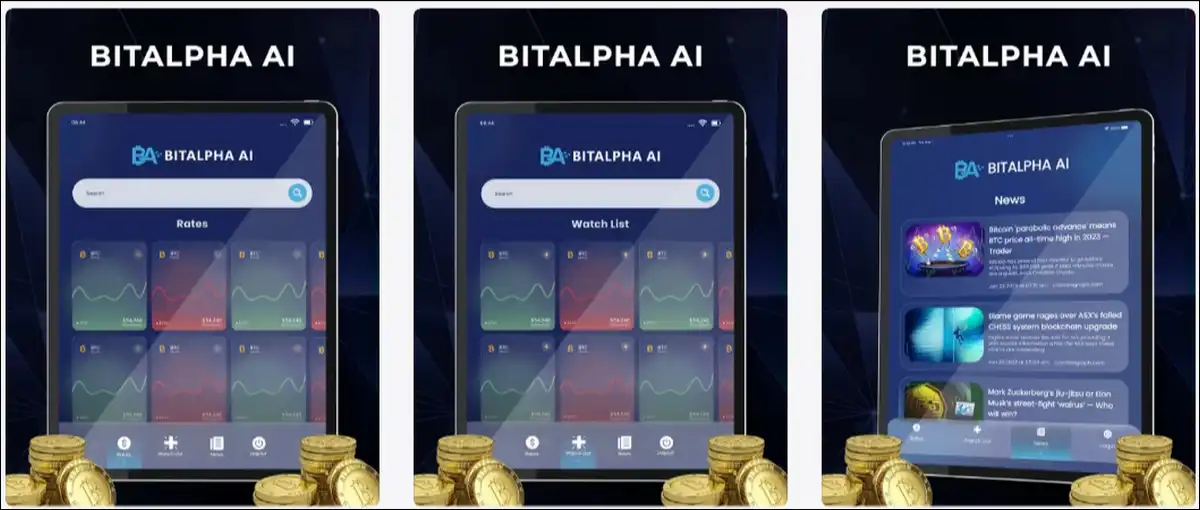
BitAlpha AI presents itself as an automated crypto trading bot. The pitch is that an algorithm trades for you and produces steady profits. You deposit, the bot runs, and money grows on its own.
In practice, the brand behaves like an investment-scam funnel. It collects a deposit, assigns you an “account manager,” and shows fake gains on screen. Fraud-checking site ScamAdviser describes it plainly as a scam that collects money and then blocks withdrawals.
The Real Problem BitAlpha AI Targets
BitAlpha AI targets a real and understandable wish. Many people want passive income from crypto without learning to trade. That hope is genuine, and scammers exploit it.
The brand offers false reassurance, not a working product. It dresses up a fraud as a hands-off money machine. The core problem is not weak features. The core problem is that the money you deposit is at serious risk.
The audit below scores the things that decide safety, not the things that decide convenience.
| Audit Area | What It Means | BitAlpha AI Result |
|---|---|---|
| Company transparency | Can you see who runs it | Fails, owners hidden |
| Regulatory standing | Licensed to handle your money | Fails, no authorisation found |
| Withdrawal reliability | Can you get your money out | Fails, blocks reported |
| Marketing honesty | Are the claims truthful | Fails, inflated win rates |
| Data and privacy | Is your ID kept safe | Risky, weak safeguards |
| Independent reputation | What neutral sources say | Negative from genuine reviewers |
Audit 1: Company Transparency
BitAlpha AI hides who runs it, which is a major warning sign. You cannot trust money to a business you cannot identify. Legitimate platforms name their company, address, and leadership.
On ScamAdviser, the owner of bitalpha-ai.com is hidden and the domain is very young. The brand also appears under several near-identical domains. Swapping URLs is a known tactic to escape complaints and warnings.
You must still verify this yourself. Search the current domain on ScamAdviser before trusting any version of the site.
Audit 2: Regulatory Standing
BitAlpha AI shows no sign of regulation by a serious authority. This matters because unregulated firms give you almost no protection. If your money disappears, you have little recourse.
Regulators are actively removing sites like this at scale. Australia’s regulator, ASIC, took down nearly 12,000 investment-scam and phishing sites in 2025. Sibling “AI trader” brands now sit on official warning lists in several countries.
Always check your national regulator’s warning list first. In the UK, search the FCA Warning List before depositing anywhere.
Audit 3: Withdrawal Reliability
Withdrawals are where this brand fails most clearly. You can often deposit easily and watch a balance climb. The trouble starts the moment you try to cash out.
Fraud-investigation site ScamCryptoRobots reported the standard playbook. Withdrawal requests get delayed, documents get rejected, and accounts get locked. ScamAdviser victim reports describe new fees for “tax” or “commission” before any payout.
Watch for the bonus trap too. Reviewers describe surprise bonuses that lock your balance behind trading requirements you cannot meet.
Audit 4: Marketing Honesty
The marketing makes claims that no honest trading tool would make. Inflated success rates are the clearest tell. Markets are volatile, so guaranteed high returns are not real.
One sales page claims a 97.8% success rate, which investigators call a lie. Other pages cite 70% or 85% wins with no proof. Genuine exchanges warn that most retail traders lose money, not win.
Treat any “near-guaranteed profit” claim as a reason to walk away.
Audit 5: Data and Privacy
The sign-up process collects sensitive ID documents with weak safeguards. You are asked for a driver’s license and a utility bill. That data sits with an operator you cannot identify.
Investigators found no proper privacy clause or security compliance. ScamCryptoRobots noted missing PCI compliance and a risk that your data gets resold. Once scammers hold your ID, the damage can outlast the lost deposit.
Do not upload ID documents to any site using this name.
Audit 6: Independent Reputation
Genuine, neutral sources rate BitAlpha AI poorly. The trick is telling real reviews from paid ones. Many “positive” reviews are affiliate pages that earn a commission per deposit.
ScamAdviser gives the main domain an extremely low trust score. Invest-Reviews lists red flags including paid actors posing as staff. The praise you find is mostly marketing, while the warnings come from fraud trackers.
A useful test: ask if the reviewer profits when you sign up. If yes, discount the praise.
The Red Flags That Matter Most
These signs appear together in BitAlpha AI and in scams like it.
- Hidden operators: No named company or verifiable team. You cannot hold an anonymous operator accountable for your money.
- Guaranteed high returns: Claims like 97.8% wins ignore market reality. Real trading carries loss, and honest tools say so.
- Withdrawal friction: Easy deposits, blocked payouts, surprise fees. This advance-fee pattern is the core of the scam.
- Shifting domains: Many near-identical URLs under one name. Changing addresses helps the operator dodge warnings and complaints.
What Real Users Say
The honest review base is mixed in source quality, and that is the point. Fraud-tracking sites report real losses and clear scam findings. Affiliate “review” sites post glowing praise and a sign-up link.
On ScamAdviser, victims describe losing savings and then facing endless withdrawal blocks. One reviewer testing the platform reported losing 250 euros within minutes. Treat the cheerful five-star pages with caution, since many earn money from your deposit.
The reliable signal is consistent. Independent investigators say avoid it.
Already Deposited? What to Do Next
Act quickly and stay calm if you already sent money. Time matters, and so does keeping records. Do not send any more money to “release” a withdrawal.
First, contact your bank or card provider right away. If you paid by card, ask about a chargeback. Keep every message, screenshot, and transaction record as evidence.
Then report the fraud to your national regulator and police. In the UK, that means the FCA and Action Fraud. In the US, the FTC and your state regulator.
One more warning. Beware “recovery” firms that promise to retrieve your funds for a fee. Many are a second scam targeting the same victims. Use official, free reporting channels instead.
Safer Alternatives to Consider
If you want crypto exposure, choose regulated and transparent options. The goal is platforms that name their company and answer to a regulator.
Safety comes before any promise of returns.
| Alternative | Best For | How It Compares |
|---|---|---|
| A major regulated exchange | Buying and holding crypto yourself | Named operator, licensed, real support |
| A licensed broker | Trading with oversight | Regulated, with dispute channels |
| A reputable portfolio tracker | Watching holdings safely | Read-only, no deposit needed |
| Your bank’s investing arm | Cautious beginners | Familiar, regulated, accountable |
| Independent learning resources | Understanding crypto first | No deposit, no pressure, no risk |
Verify any platform on your regulator’s site before you deposit. A licensed name beats any profit claim.
Who This Warning Is For
This warning is for anyone who searched “is BitAlpha AI safe.” If you are tempted by the easy-profit pitch, read the audit again. The hope is real, but this product is not a safe way to chase it.
It is also for anyone already contacted by an “account manager.” Pressure to deposit more is the scam working as designed. Stop, keep your records, and report it.
Skip BitAlpha AI entirely. There is no version of this name worth your money.
BitAlpha AI Safety Scorecard
| Category | Rating (x/5) | Notes |
|---|---|---|
| Company transparency | 1 / 5 | Owners hidden across multiple sites |
| Regulatory standing | 1 / 5 | No authorisation found, regulators target this category |
| Withdrawal reliability | 1 / 5 | Blocks, delays, and extra-fee demands reported |
| Marketing honesty | 1 / 5 | Inflated, unprovable win rates |
| Data and privacy | 1.5 / 5 | ID collected with weak safeguards |
| Independent reputation | 2 / 5 | Neutral investigators clearly flag it |
| Overall Safety Rating | 1 / 5 | Avoid. Do not deposit or share ID |
Final Verdict
BitAlpha AI is not safe, and the evidence is consistent across genuine sources. Its single biggest failure is the withdrawal trap. You can put money in, but getting it out is the problem.
If you want passive crypto income, that wish is fair, but this is not the route. Choose a regulated, named platform and verify it on your regulator’s list first. If anyone is pressuring you to deposit with BitAlpha AI today, that pressure is the clearest sign to walk away.
Is BitAlpha AI Safe? Quick Answers
Is BitAlpha AI safe to use?
No. BitAlpha AI shows the pattern of a crypto trading scam. The owners stay hidden and withdrawals get blocked. Do not deposit money or upload ID documents.
Is BitAlpha AI a scam?
The evidence points to yes. Fraud trackers and scam-checking tools flag it clearly. ScamAdviser gives the main domain an extremely low trust score. Treat any site using this name as high risk.
Can you withdraw your money from BitAlpha AI?
Reportedly, no. Deposits look easy, but payouts get blocked. Investigators report delays, document rejections, locked accounts, and new fees for ‘tax’ or ‘commission’. These extra-fee demands are the heart of the scam.
How much does BitAlpha AI ask you to deposit?
A $250 minimum deposit is requested to start. Account managers then push for more money. We recommend depositing nothing, since getting it back is unlikely.
Is BitAlpha AI regulated?
No regulation could be verified. Unregulated platforms give you almost no protection if money disappears. Regulators are removing thousands of sites like this each year. Always check your national regulator’s warning list first.
What should I do if I already deposited money?
Act fast. Contact your bank or card provider and ask about a chargeback. Save every screenshot and message as evidence. Report it to your regulator and police. Avoid ‘recovery’ firms that charge a fee, as many are a second scam.
Important Note: This article is for information only and is not financial advice. Verify current details with official regulators before making any decision.